
Landlord Insurance
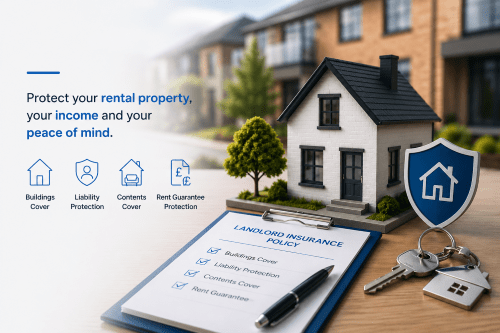
Landlord insurance helps protect a rental property from risks that standard home insurance may not cover. If you let a house, flat, HMO or buy-to-let property, your insurance needs are different. Tenants, rental income, liability risks and void periods can all affect your position as a landlord. At Connect Mortgages, we help landlords review insurance options alongside their wider property plans. This may include buy-to-let finance, portfolio lending, limited company ownership or protection for a rental property.
What Is Landlord Insurance?
Landlord insurance is cover designed for property owners who rent out a property to tenants.
It can help protect the building, landlord-owned contents, rental income and legal liability. The exact cover depends on the policy, property type and insurer.
A standard home insurance policy may not be suitable once a property is let. This is because a rented property carries different risks from a home you live in yourself.
Landlord insurance can be relevant if you own:
- A single buy-to-let property
- A rented flat
- A house rented to tenants
- A furnished rental property
- A student let
- An HMO property
- A portfolio of rental properties
- A property owned through a limited company
If your insurance does not match how the property is used, a claim could be affected. That is why landlords should review cover before tenants move in.
Why Landlord Insurance Matters
A rental property is not just an asset. It may also provide regular income, long-term growth and future financial security.
However, rental property comes with risks.
A tenant may accidentally damage fixtures. A water leak may make the property unfit to rent. A visitor may suffer an injury at the property. Rent may stop during a dispute or legal process.
Landlord insurance can help protect against these risks, depending on the policy selected.
It may also support your wider property plan if you are arranging or reviewing a buy-to-let mortgage.
What Does Landlord Insurance Cover?
Landlord insurance can include several types of protection. Not every policy includes every feature, so the detail matters.
Common cover options include:
- Landlord buildings insurance
- Landlord contents insurance
- Property owners’ liability insurance
- Accidental damage cover
- Malicious damage cover
- Loss of rent cover
- Rent guarantee insurance
- Legal expenses cover
- Alternative accommodation cover
- Boiler and emergency cover
- Cover for void periods
- HMO landlord insurance
The right policy depends on the property, tenancy type, mortgage position and how the property is let.
Landlord Buildings Insurance
Landlord buildings insurance protects the structure of the rental property.
This can include the roof, walls, floors, windows, doors, fitted kitchens and bathrooms. It may also include garages, outbuildings, fences and driveways, subject to policy terms.
Landlord buildings insurance may cover damage caused by events such as:
- Fire
- Flood
- Storms
- Escape of water
- Vandalism
- Subsidence
- Impact damage
If the property has a mortgage, the lender may expect suitable buildings insurance to be in place. If you also need personal home cover, visit our Buildings and Contents Insurance page.
Landlord Contents Insurance
Landlord contents insurance can protect items owned by the landlord inside the rental property.
This is most relevant when the property is let furnished or part-furnished.
It may cover items such as:
- Sofas
- Beds
- Tables
- Curtains
- Carpets
- White goods
- Landlord-owned appliances
Tenants usually need their own contents insurance for their personal belongings. Landlord contents cover is normally for items supplied by the landlord.
Property Owners’ Liability Insurance
Property owners’ liability insurance can protect landlords if someone is injured at the rental property.
This could involve a tenant, visitor, contractor or tradesperson.
For example, a claim may arise from a loose handrail, damaged flooring or another property-related hazard.
Liability cover may help with legal costs and compensation, depending on the policy terms.
Rent Guarantee and Loss of Rent Cover
Rent is often the reason a landlord owns a buy-to-let property. If rent stops, the financial impact can be serious.
Rent guarantee insurance may help if a tenant stops paying rent. Loss of rent cover may apply if an insured event makes the property unfit to live in.
These covers are different. Landlords should check what each policy includes before relying on it.
This is especially important for landlords with mortgage payments, service charges or other property costs.
Legal Expenses Cover
Legal expenses cover can help with certain legal costs linked to a rental property.
This may include disputes, eviction proceedings or tenant-related legal issues, depending on the policy.
Legal cover should not be seen as a replacement for proper tenancy agreements, safety checks or landlord compliance. However, it can provide useful support if a dispute develops.
HMO Landlord Insurance
HMO properties often need more specific insurance.
A house in multiple occupation may involve shared spaces, several tenants and higher property management responsibilities.
If you own or plan to buy an HMO, review your mortgage and insurance together. You can also read more about HMO Property finance.
Limited Company Landlord Insurance
Some landlords buy rental property through a limited company.
The insurance should reflect the ownership structure, property use and tenancy type.
If the property is owned by a company, the policy details should match that position. This can help avoid problems if a claim is made.
For finance information, visit our Limited Company Buy-to-Let Mortgages page.
Portfolio Landlord Insurance
Portfolio landlords may need a more structured approach to insurance.
A landlord with several properties may want to review cover across the full portfolio. This can help reduce gaps, avoid duplicate cover and keep renewal dates easier to manage.
Insurance needs may vary across the portfolio. One property may be furnished, another may be an HMO, and another may be let through a company.
If you own several rental properties, our Buy-to-Let Portfolio Mortgages page may also be useful.
Mortgage Advice..
Thinking of getting a mortgage? Our experienced team of skilled mortgage advisers are here to offer the essential guidance you require. Relying on our comprehensive understanding of the mortgage market, we’ll ensure you secure the perfect mortgage to suit your specific situation.
Is Landlord Insurance A Legal Requirement?
Landlord insurance itself is not usually a legal requirement.
However, landlords do have legal duties. These can include repair duties, safety duties and tenancy responsibilities.
Also, if the property has a mortgage, your lender may require suitable buildings insurance. You should also tell your insurer if the property is rented out.
Using standard home insurance for a rented property may leave you without the right protection.
Who Needs Landlord Insurance?
You may need landlord insurance if you receive rent from a property you own.
This can apply if you:
- Let a flat
- Let a house
- Rent to students
- Rent to a family member
- Let a furnished property
- Own an HMO
- Own a buy-to-let property
- Own rental property through a limited company
- Have more than one rental property
- Are between tenants
Even if your property is mortgage-free, insurance can still help protect your property and income.
What Landlord Insurance Do I Need?
The right cover depends on your property and tenancy.
Before choosing landlord insurance, consider:
- Is the property mortgaged?
- Is it a house, flat or HMO?
- Is the property furnished?
- Is the property owned personally or through a company?
- Do you need rent guarantee cover?
- Do you need legal expenses cover?
- How long could you cover costs without rent?
- Would a claim affect your wider property plans?
The lowest-cost policy may not be the right option. A landlord should understand what is covered, what is excluded and what excess applies.
Landlord Insurance And Buy-to-Let Mortgages
Landlord insurance and buy-to-let mortgages are closely connected.
A lender may want to know the property is properly insured. You may also want cover that reflects your rental income, property value and tenancy type.
If you are buying, remortgaging or expanding a rental portfolio, it makes sense to review insurance early.
This can help you avoid delays before completion and reduce gaps once the property is let.
You can start with our Buy-to-Let Mortgages page.
Speak To A Mortgage And Protection Adviser
Landlord insurance should match the way your property is owned, financed and let.
Connect Mortgages can help you review your wider property position and discuss suitable protection routes.
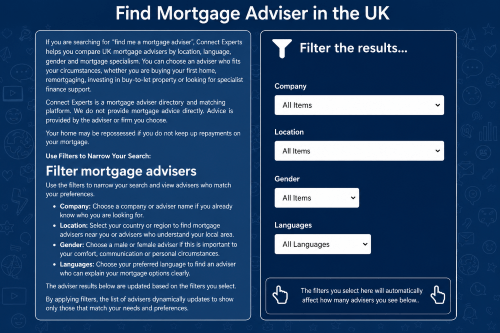
You can also use Connect Experts to find a mortgage adviser by location, language and specialist area.
Landlord Insurance And Wider Protection
Landlord insurance protects the rental property and some landlord risks.
It does not replace personal protection, life cover, income protection or critical illness cover.
If your rental income supports your household or mortgage plans, you may also want to review wider protection. Visit our Mortgage Protection & Life Insurance page for related cover options.
Choose an Adviser
FAQs: Landlord Insurance
Most frequent questions and answers about landlord insurance
In most cases, landlord insurance is not mandatory, although buildings insurance will be if a mortgage is in place. However, it is highly recommended for landlords as it can protect against tenant disputes or damage to property. Therefore, it’s essential to check with your local authorities and insurance provider to find out what is required in your area.
If you are renting to a family member, it is still essential to get landlord insurance, even if it is not mandatory. This is because landlord insurance covers a range of eventualities, such as damage to the property caused by tenants, legal fees incurred in tenant disputes and loss of rent due to tenant non-payment. By taking out a policy, you can protect yourself financially should any of these issues arise during the tenancy period.
Yes, landlord insurance may provide cover for damages caused by tenants. The exact type of coverage you receive will depend on the policy you choose. Still, many policies will include protection against fair wear and tear and accidental damage to the property caused by tenants or their guests. It is essential to read your policy carefully to determine exactly what is covered.
Yes, getting landlord insurance for a flat is vital, even if it is not mandatory. Landlord insurance can protect against damage and rent loss due to tenant non-payment, as well as legal fees incurred in tenant disputes. However, it is essential to read the policy carefully to determine precisely what coverage you will receive.
Yes, landlord insurance typically includes cover for a boiler breakdown. The specifics of this coverage will depend on the policy you choose, but generally, it covers repair costs for boiler breakdowns due to normal wear and tear. It is essential to read the policy carefully to understand what is covered and what isn’t.
Not entirely. Landlord insurance and building insurance are two different types of coverage. Building insurance covers the actual structure of the rental property. In contrast, landlord insurance typically covers anything not hidden by making insurance, such as legal fees for tenant disputes, personal liability protections, and coverage for any rent loss due to tenant non-payment. Understanding the differences between these two types of insurance is essential to ensure you get the right type of coverage.
What next?
We will come back to you quickly to let you know how we can help. If you would like to speak to us immediately, call us on 01708 676 111.
Looking for our intermediaries site?

Liz Syms is the CEO and Founder of Connect Mortgages and Connect for Intermediaries, a leading firm specialising in property investment finance. With more than 25 years of experience in the mortgage and financial services industry, Liz has helped thousands of clients secure both residential homes and investment properties.
Renowned for her expertise and commitment to excellence, Liz is passionate about delivering tailored, high-quality advice on mortgages and protection. Her leadership has positioned her as a trusted figure in the sector, and under her guidance, Connect Mortgages has expanded to a national team of over 300 advisers.
Driven by a vision to make Connect Mortgages one of the UK’s most successful mortgage networks, Liz continues to champion professional standards and client-focused solutions across the industry.
About the Author
Liz Syms is the CEO and Founder of Connect Mortgages, a specialist in finance for property investment. With over 25 years of experience in mortgages and financial services, Liz has helped countless people get their dream homes and investment properties. She is passionate about giving her clients the best advice possible when it comes to financial decisions relating to mortgages and protection and is dedicated to providing the highest quality of service. With her wealth of knowledge in the industry, Liz is a respected leader in mortgages and financial services and has grown her team to over 300 advisers nationally. She strives to make Connect Mortgages one of the most successful companies in its field.