
Adverse Credit Mortgage
Past credit problems can affect your mortgage options, but they do not always stop you from getting a mortgage. At Connect Mortgages, we help UK buyers, homeowners and remortgage clients understand their options after missed payments, defaults, CCJs, IVAs, debt management plans or other credit issues. We look at your full position before you apply. That includes your income, deposit, credit file, current commitments, property plans and recent payment conduct.
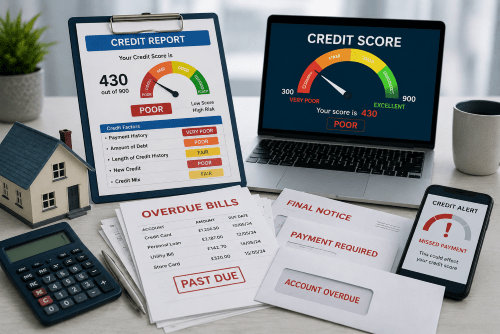
Adverse Credit Mortgage
An adverse credit mortgage may be possible if you have had credit issues in the past.
Lenders may look at:
- The type of credit issue
- When it happened
- Whether it has been settled
- Your deposit size
- Your income and affordability
- Your recent credit conduct
- The property you want to buy or remortgage
A specialist mortgage adviser can help you understand which lenders may consider your case before you apply.
What Is an Adverse Credit Mortgage?
An adverse credit mortgage is a mortgage for someone whose credit history includes previous payment or borrowing problems.
It is not a separate legal mortgage type. It is a common way to describe mortgage applications where the borrower has bad credit, poor credit or impaired credit.
Adverse credit may include:
- Missed payments
- Late payments
- Defaults
- County Court Judgments, also called CCJs
- Debt Management Plans
- Individual Voluntary Arrangements, also called IVAs
- Bankruptcy
- Repossession
- Payday loan history
- High credit use
- Previous mortgage declines
Some lenders may decline these cases. Other lenders may still consider the application if the wider position is strong. This is why the right advice matters.
Can You Get a Mortgage with Bad Credit?
Yes, it may be possible to get a mortgage with bad credit in the UK.
Approval depends on your personal circumstances, the lender’s criteria and the strength of your application.
A lender may consider:
- How recent the credit issue was
- The amount involved
- Whether the debt has been paid
- The reason the issue happened
- Your current income
- Your regular spending
- Your deposit
- Your employment status
- Your current mortgage record, if you already own a home
A missed payment from several years ago may be viewed differently from a recent bankruptcy or repossession.
A settled CCJ may also be assessed differently from an unpaid CCJ.
Who This Page Is For
This page is for people who want mortgage advice after credit problems.
It may help if:
- You have been declined by a bank
- You have missed payments
- You have a default on your credit file
- You have a CCJ
- You are in, or have completed, an IVA
- You have used a Debt Management Plan
- You have been bankrupt in the past
- You want to remortgage after credit issues
- You are buying your first home with bad credit
- You want to understand your options before applying
If you are still checking your wider mortgage options, start with our residential mortgage advice page.
Book a Call with An Adviser
How Lenders Assess Adverse Credit
Lenders do not all assess adverse credit in the same way.
One lender may decline a case because of a recent default. Another lender may consider it if the default is settled and affordability is strong.
The main factors include:
- The type of adverse credit
- The date it was registered
- The value of the debt
- Whether the debt has been satisfied
- Your deposit or equity level
- Your income stability
- Your existing financial commitments
- Your current bank conduct
- Your reason for borrowing
- The property type
This is why applying to the wrong lender can create problems. A careful review before application may reduce the risk of another decline.
How Much Deposit Do You Need for an Adverse Credit Mortgage?
The deposit needed depends on the credit issue and lender criteria.
In general, a larger deposit may improve your options. This is because it can reduce the lender’s risk.
Your deposit requirement may depend on:
- How recent the credit issue was
- Whether the debt was settled
- The number of credit issues
- Your income and affordability
- The property value
- Whether you are buying or remortgaging
Before applying, you may want to check borrowing figures using our residential affordability calculator.
You can also use our quick mortgage calculator to estimate possible monthly payments.
What Types of Adverse Credit Can Affect a Mortgage?
Missed or Late Payments
Missed payments can affect how lenders view your application.
A lender may ask what was missed, when it happened and whether your recent payments are now up to date.
Recent missed mortgage payments can be more serious than older missed payments on smaller credit accounts.
Defaults
A default shows that a credit agreement broke down.
Lenders may look at the date, value, reason and settlement status. A satisfied default may be easier to explain than an unpaid one.
CCJs
A County Court Judgment can affect mortgage options.
Lenders may consider the CCJ amount, registration date, whether it has been paid and whether your wider finances have improved.
IVAs and Debt Management Plans
An IVA or Debt Management Plan can show historic financial pressure.
Some lenders may want time to pass after completion. Others may consider the case if the wider application is strong.
Bankruptcy
Bankruptcy can make mortgage borrowing harder.
However, some lenders may consider applicants after discharge, depending on time passed, deposit size and current financial stability.
Previous Repossession
A previous repossession is usually treated seriously.
Some lenders may still review the case if it happened several years ago and your finances have clearly recovered.
First-Time Buyer with Adverse Credit
First-time buyers can sometimes get a mortgage with adverse credit.
Lenders may look closely at your deposit, income, credit file and recent bank conduct.
If the credit issue is older or has been settled, more options may be available.
If the issue is recent, it may still be worth getting advice before applying.
You can also read our first-time buyer mortgage page if you are buying your first home.
Remortgage with Adverse Credit
You may still be able to remortgage if your credit profile has changed.
This may apply if you have had missed payments, defaults, a CCJ or higher debt since your last mortgage started.
A remortgage may be considered for:
- Reviewing your current mortgage deal
- Raising funds
- Changing lender
- Debt consolidation
- Moving from a higher rate
- Reviewing your options after a decline
Debt consolidation is not suitable for everyone. It can increase the total amount paid over time if debts are spread over a longer term. Read our remortgage advice page if you want to understand the wider remortgage process.
Second Charge Mortgage with Bad Credit
A second charge mortgage may be considered if you already own a home and need to borrow against your equity.
This is a separate loan secured against your property. It sits behind your existing mortgage.
It may be used for home improvements, debt consolidation or other large costs.
However, it increases secured borrowing and monthly commitments. Your home may be at risk if repayments are not maintained.
Read our second charge mortgages page before deciding whether this route may be suitable.
Why Speak to Connect Mortgages?
Adverse-credit mortgage cases require careful review.
At Connect Mortgages, we assess your position before recommending a route forward.
We can help you understand:
- Whether now may be the right time to apply
- Which credit issues may affect your options
- Whether your deposit is likely to be enough
- How affordability may be assessed
- Which documents may be needed
- Whether a purchase, remortgage or second charge route may fit
- What risks and costs you should consider
We are a credit broker, not a lender. We provide regulated mortgage advice and explain your options before you decide how to proceed.
Choosing the Right Adviser for Adverse Credit
Some borrowers want to speak with an adviser who regularly supports adverse credit cases.
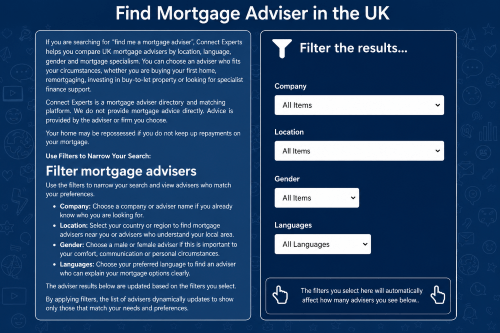
If you want to compare adviser profiles, you can use Connect Experts to find an adverse credit mortgage broker.
Connect Experts is part of the Connect Group. It is a mortgage adviser directory and matching platform. Mortgage advice is provided by the adviser or firm you choose.
You can also read the Connect Experts adverse credit mortgage guide for wider education before choosing an adviser.
FAQs:Adverse Credit Mortgage
Most frequent questions and answers about Adverse Credit Mortgage
Yes, many UK lenders offer mortgages for applicants with adverse credit histories, especially through brokers like Connect Mortgages.
A bigger deposit can improve your options, but some lenders may accept as little as 10% depending on your situation.
No. Our soft credit checks will not affect your score. We’ll assess your eligibility before any lender performs a hard check.
Yes, there are specialist lenders who offer buy-to-let mortgages for landlords with adverse credit. Approval depends on factors like rental income, deposit size, and the type of credit issues involved. Visit our page on Buy-to-Let Mortgages for more details.
Yes. A second charge mortgage, also known as a secured loan, may be available even if your credit isn’t perfect. It uses your existing home equity and is often used for debt consolidation or large expenses. Learn more about Second Charge Mortgages.
Some lenders may consider applications as soon as 6–12 months after a CCJ or default, particularly if they’ve been satisfied or occurred a while ago. Each case is assessed individually.
Yes. Many clients with adverse credit remortgage to access better rates or consolidate debt. Our remortgage advisers can review your current mortgage and credit status.
This includes missed payments, defaults, CCJs, IVAs, bankruptcy, or debt management plans. Some also consider high credit usage, overdraft breaches, or payday loan activity.
Check your credit report, maintain regular payments, register to vote, reduce debts where possible, and seek advice from a broker with access to specialist bad credit lenders.
Yes. Each lender has different criteria. Being declined elsewhere doesn’t mean you won’t be accepted through a broker who understands the market and can match you to suitable lenders.
Yes, there are several lenders who offer adverse credit mortgage options, each with their own lending criteria. Some may accept recent defaults or missed payments, while others may require a longer period of financial stability.
Yes, it’s possible to consolidate debt a second time but lenders will likely take a closer look at your financial circumstances. If you’ve previously consolidated debts and are now considering it again, expect to explain the reasons behind this decision.

Liz Syms is the CEO and Founder of Connect Mortgages and Connect for Intermediaries, a leading firm specialising in property investment finance. With more than 25 years of experience in the mortgage and financial services industry, Liz has helped thousands of clients secure both residential homes and investment properties.
Renowned for her expertise and commitment to excellence, Liz is passionate about delivering tailored, high-quality advice on mortgages and protection. Her leadership has positioned her as a trusted figure in the sector, and under her guidance, Connect Mortgages has expanded to a national team of over 300 advisers.
Driven by a vision to make Connect Mortgages one of the UK’s most successful mortgage networks, Liz continues to champion professional standards and client-focused solutions across the industry.
About the Author
Liz Syms is the CEO and Founder of Connect Mortgages, a specialist in finance for property investment. With over 25 years of experience in mortgages and financial services, Liz has helped countless people get their dream homes and investment properties. She is passionate about giving her clients the best advice possible when it comes to financial decisions relating to mortgages and protection and is dedicated to providing the highest quality of service. With her wealth of knowledge in the industry, Liz is a respected leader in mortgages and financial services and has grown her team to over 300 advisers nationally. She strives to make Connect Mortgages one of the most successful companies in its field.