
HMO Property
An HMO property can offer strong rental income, but it is not a standard buy-to-let. Lenders may look closely at the property layout, number of tenants, licence position, rental income, landlord experience and ownership structure. At Connect Mortgages, we help landlords understand HMO mortgage options before they apply. This may include buying an HMO, remortgaging an existing shared rental property, converting a standard rental home or expanding a wider landlord portfolio. If your property plans involve multiple unrelated tenants sharing facilities, the right advice can save time, reduce confusion and help you approach suitable lenders.

HMO at a Glance
An HMO property, or House in Multiple Occupation, is usually a property rented by at least three people who are not from one household and who share facilities such as a kitchen, bathroom or toilet.
For mortgage purposes, an HMO is often treated differently from a standard buy-to-let. This is because the lender may need to assess shared occupation, room rents, licensing, valuation, tenant demand and property management.
You may need HMO mortgage advice if you are:
- Buying a property to let by the room
- Remortgaging an existing HMO
- Converting a standard buy-to-let into an HMO
- Buying through a limited company
- Expanding a portfolio of rental properties
- Reviewing whether your property needs specialist lending
For a wider overview of landlord finance, read our Buy-to-Let Mortgage guide.
What Is an HMO Property?
An HMO property is a shared rental home where several tenants live as separate households. They usually have their own bedrooms and share facilities such as kitchens, bathrooms, hallways or living areas.
Common examples include:
- Student shared houses
- Professional house shares
- Co-living rental properties
- Larger shared homes with five or more tenants
- Converted properties let by the room
Some smaller HMOs may be treated differently by lenders and local councils. Larger HMOs are more likely to need licensing. Local rules can also vary, so landlords should check the relevant council requirements before buying, converting or letting the property.
Why HMO Properties Need Specialist Mortgage Advice
HMO mortgages can be more detailed than standard buy-to-let mortgages. This is because the lender is not only looking at the rent. They may also look at how the property is used, how many tenants will live there and whether the property meets HMO standards.
A lender may check:
- Number of bedrooms or lettable rooms
- Whether tenants are related or unrelated
- Shared facilities and room layout
- Expected rental income per room
- Whether the property has, or needs, an HMO licence
- Fire safety and property standards
- Landlord experience
- Personal or limited company ownership
- Existing buy-to-let portfolio background
- Deposit size and loan-to-value
- Valuation and local rental demand
This is why an HMO property may need a specialist lender. Some high street lenders do not accept HMOs, while others only accept certain types.
Who Can an HMO Property Mortgage Help?
An HMO mortgage may be suitable for landlords and investors with a clear shared rental strategy.
It may help if you want to:
- Buy your first HMO property
- Move from single-let property into shared housing
- Refinance an existing HMO
- Release equity from an HMO
- Convert a property into a house share
- Buy a larger licensed HMO
- Build a portfolio of HMO properties
- Buy through a limited company or SPV
If you already own several rental properties, lenders may assess you as a portfolio landlord. Our Buy-to-Let Portfolio Mortgages page explains how wider property ownership may affect borrowing.
HMO Mortgage Requirements
Each lender has its own criteria. However, HMO mortgage applications often require more evidence than standard buy-to-let cases.
You may need to provide:
- Proof of deposit
- Property details and address
- Expected room-by-room rental income
- Tenancy details, where available
- Current or expected HMO licence information
- Planning information, where required
- Evidence of landlord experience
- Personal income details
- Existing mortgage details
- Portfolio schedule, where relevant
- Limited company documents, if buying through a company
Some lenders may prefer experienced landlords. Others may consider first-time landlords if the rest of the case is strong.
HMO Property Licensing and Local Council Rules
HMO licensing rules can affect both the letting strategy and the mortgage application. Larger HMOs usually require a licence, and some councils impose additional licensing rules on smaller shared homes.
Before you commit to an HMO property, you should check:
- Whether the property needs an HMO licence
- Whether local Article 4 rules affect conversion
- Whether the room sizes meet local standards
- Whether fire doors, alarms or escape routes are needed
- Whether the kitchen and bathroom facilities are suitable
- Whether waste and management standards apply
- Whether the property use is acceptable to the lender
Connect Mortgages does not provide legal or planning advice. However, your adviser can help you understand how licensing and property use may affect the mortgage route.
You should also check your local council’s HMO rules before applying.
HMO Property vs Standard Buy-to-Let
A standard buy-to-let usually involves one household renting the whole property. An HMO usually involves multiple tenants from different households sharing parts of the home.
| Area | Standard Buy-to-Let | HMO Property |
|---|---|---|
| Tenant setup | Usually one household | Several unrelated tenants |
| Rent structure | One rent for the whole property | Rent may be charged per room |
| Lender choice | Often wider | Often more specialist |
| Management | Usually simpler | Usually more active |
| Licensing | Often not required | May be required |
| Valuation | Standard rental property basis | May involve specialist assessment |
| Experience | Some lenders accept new landlords | Some lenders prefer experience |
If you are unsure which route fits your plan, our Buy-to-Let Mortgage Brokers page explains how broker support can help landlords compare options.
Buying an HMO Property
Buying an HMO is not only about the purchase price. The lender may want to know whether the property is already operating as an HMO or whether conversion work is needed.
Before applying, consider:
- Is the property already let as an HMO?
- Does it have the correct licence?
- Will you need refurbishment work?
- Is the expected rent realistic?
- Are the rooms suitable for tenants?
- Is there demand for shared housing locally?
- Will the lender accept the property type?
- Do you have enough deposit and cash for costs?
If refurbishment or conversion work is needed before the property can be let, short-term finance may be part of the wider plan. Our Bridging Loan page explains where short-term finance may fit.
HMO Property Through a Limited Company
Some landlords buy HMO properties through a limited company or special purpose vehicle. This can affect lender choice, tax planning, legal work and future portfolio strategy.
A lender may review:
- Company structure
- SIC code
- Directors and shareholders
- Personal guarantees
- Deposit source
- Rental income
- Existing company borrowing
- Accountant input, where relevant
Tax treatment depends on personal circumstances. You should speak to a qualified tax adviser before choosing an ownership structure.
Remortgaging an HMO Property
You may want to remortgage an HMO property to review your current deal, raise funds, move to a new lender or support portfolio growth.
A lender may review:
- Current property value
- Current rental income
- Occupancy level
- Room rents
- Licence position
- Mortgage payment history
- Landlord experience
- Property condition
- Wider portfolio strength
If your HMO is held within a company structure, you may also want to read our Limited Company Buy-to-Let Mortgages guide.
HMO Property Benefits
HMO properties can appeal to landlords because rent is often collected from more than one tenant. This can support stronger gross rental income when compared with some single-let properties.
Possible benefits include:
- Multiple rental streams from one property
- Demand from students and working professionals
- Less reliance on one tenant
- Potential for higher gross rental yield
- Flexibility when rooms become vacant
- A clear route for experienced landlords to grow
However, higher rent does not always mean higher profit. HMO properties can also entail higher costs, greater management, and more regulation.
Mortgage Advice..
Thinking of getting a mortgage? Our experienced team of skilled mortgage advisers are here to offer the essential guidance you require. Relying on our comprehensive understanding of the mortgage market, we’ll ensure you secure the perfect mortgage to suit your specific situation.
HMO Property Risks
An HMO property can be a strong investment, but it needs careful planning.
Landlords should consider:
- Higher refurbishment costs
- Fire safety requirements
- Licence costs and renewals
- More active property management
- Higher wear and tear
- Utility and maintenance costs
- Tenant turnover
- Local council enforcement
- Lender restrictions
- Valuation differences between lenders
A good HMO mortgage application should consider both income and risk. This gives the lender a clearer view of the case and helps you avoid unsuitable routes.
HMO Property Licensing and Local Council Rules
HMO licensing rules can affect both the letting strategy and the mortgage application. Larger HMOs usually require a licence, and some councils impose additional licensing rules on smaller shared homes.
Before you commit to an HMO property, you should check:
- Whether the property needs an HMO licence
- Whether local Article 4 rules affect conversion
- Whether the room sizes meet local standards
- Whether fire doors, alarms or escape routes are needed
- Whether the kitchen and bathroom facilities are suitable
- Whether waste and management standards apply
- Whether the property use is acceptable to the lender
Connect Mortgages does not provide legal or planning advice. However, your adviser can help you understand how licensing and property use may affect the mortgage route.
You should also check your local council’s HMO rules before applying.
Buying an HMO Property
Buying an HMO is not only about the purchase price. The lender may want to know whether the property is already operating as an HMO or whether conversion work is needed.
Before applying, consider:
- Is the property already let as an HMO?
- Does it have the correct licence?
- Will you need refurbishment work?
- Is the expected rent realistic?
- Are the rooms suitable for tenants?
- Is there demand for shared housing locally?
- Will the lender accept the property type?
- Do you have enough deposit and cash for costs?
If refurbishment or conversion work is needed before the property can be let, short-term finance may be part of the wider plan. Our Bridging Loan page explains where short-term finance may fit.
Remortgaging an HMO Property
You may want to remortgage an HMO property to review your current deal, raise funds, move to a new lender or support portfolio growth.
A lender may review:
- Current property value
- Current rental income
- Occupancy level
- Room rents
- Licence position
- Mortgage payment history
- Landlord experience
- Property condition
- Wider portfolio strength
If your HMO is held within a company structure, you may also want to read our Limited Company Buy-to-Let Mortgages guide.
HMO Property Through a Limited Company
Some landlords buy HMO properties through a limited company or special purpose vehicle. This can affect lender choice, tax planning, legal work and future portfolio strategy.
A lender may review:
- Company structure
- SIC code
- Directors and shareholders
- Personal guarantees
- Deposit source
- Rental income
- Existing company borrowing
- Accountant input, where relevant
Tax treatment depends on personal circumstances. You should speak to a qualified tax adviser before choosing an ownership structure.
HMO Property Benefits
HMO properties can appeal to landlords because rent is often collected from multiple tenants. This can support stronger gross rental income when compared with some single-let properties.
Possible benefits include:
- Multiple rental streams from one property
- Demand from students and working professionals
- Less reliance on one tenant
- Potential for higher gross rental yield
- Flexibility when rooms become vacant
- A clear route for experienced landlords to grow
However, higher rent does not always mean higher profit. HMO properties can also entail higher costs, greater management, and more regulation.
HMO Property Risks
An HMO property can be a strong investment, but it needs careful planning.
Landlords should consider:
- Higher refurbishment costs
- Fire safety requirements
- Licence costs and renewals
- More active property management
- Higher wear and tear
- Utility and maintenance costs
- Tenant turnover
- Local council enforcement
- Lender restrictions
- Valuation differences between lenders
A good HMO mortgage application should consider both income and risk. This gives the lender a clearer view of the case and helps you avoid unsuitable routes.
HMO Property vs Standard Buy-to-Let
A standard buy-to-let usually involves one household renting the whole property. An HMO usually involves multiple tenants from different households sharing parts of the home.
| Area | Standard Buy-to-Let | HMO Property |
|---|---|---|
| Tenant setup | Usually one household | Several unrelated tenants |
| Rent structure | One rent for the whole property | Rent may be charged per room |
| Lender choice | Often wider | Often more specialist |
| Management | Usually simpler | Usually more active |
| Licensing | Often not required | May be required |
| Valuation | Standard rental property basis | May involve specialist assessment |
| Experience | Some lenders accept new landlords | Some lenders prefer experience |
If you are unsure which route fits your plan, our Buy-to-Let Mortgage Brokers page explains how broker support can help landlords compare options.
Choose a Mortgage Adviser
HMO Property vs Multi-Unit Freehold Block
An HMO and a Multi-Unit Freehold Block are not the same.
An HMO usually has tenants sharing facilities. A Multi-Unit Freehold Block usually contains separate self-contained units under one freehold title.
The difference matters because lenders may assess the property differently. Licensing, valuation, rental income and management can also differ.
If the property has shared kitchens or bathrooms, it may be treated as an HMO. If it has separate flats with their own facilities, it may be treated as a multi-unit property.
Prefer to Choose an HMO Mortgage Adviser?
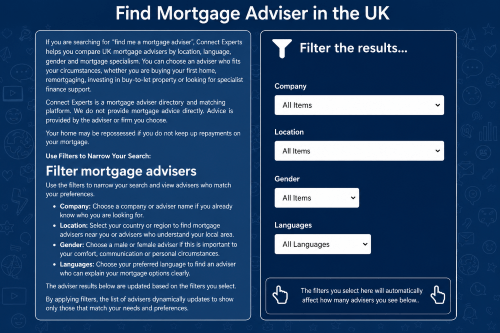
Some landlords prefer to compare adviser profiles before making contact. Through Connect Experts, you can search for HMO mortgage brokers by location, language and adviser experience.
You can also use the HMO Mortgage Adviser Search if you want to find advisers who may support Houses in Multiple Occupation mortgage enquiries.
Connect Experts is a mortgage adviser directory and matching platform. Mortgage advice is provided by the adviser or firm selected by the customer.
Speak to Connect Mortgages About HMO Property
If you are buying, refinancing or converting an HMO property, speak to Connect Mortgages before you apply.
We can help you understand lender criteria, likely documents, rental checks, ownership options and the next steps for your property plan.
FAQs: HMO Property
Most frequent questions and answers about HMO property
You may need an HMO mortgage if the property is let to multiple unrelated tenants. A standard buy-to-let mortgage may not allow this type of occupation.
Some lenders may consider first-time landlords, but others prefer applicants with landlord experience. The property, deposit, income and rental plan will all matter.
Yes, some lenders offer HMO mortgages through limited companies. Lenders may review the company structure, directors, shareholders and rental income.
Not every HMO needs the same licence. Larger HMOs usually need licensing, and some councils apply local rules to smaller HMOs. Always check with the local council.
What next?
We will come back to you quickly to let you know how we can help. If you would like to speak to us immediately, call us on 01708 676 111.
Looking for our intermediaries site?

Liz Syms is the CEO and Founder of Connect Mortgages and Connect for Intermediaries, a leading firm specialising in property investment finance. With more than 25 years of experience in the mortgage and financial services industry, Liz has helped thousands of clients secure both residential homes and investment properties.
Renowned for her expertise and commitment to excellence, Liz is passionate about delivering tailored, high-quality advice on mortgages and protection. Her leadership has positioned her as a trusted figure in the sector, and under her guidance, Connect Mortgages has expanded to a national team of over 300 advisers.
Driven by a vision to make Connect Mortgages one of the UK’s most successful mortgage networks, Liz continues to champion professional standards and client-focused solutions across the industry.
About the Author
Liz Syms is the CEO and Founder of Connect Mortgages, a specialist in finance for property investment. With over 25 years of experience in mortgages and financial services, Liz has helped countless people get their dream homes and investment properties. She is passionate about giving her clients the best advice possible when it comes to financial decisions relating to mortgages and protection and is dedicated to providing the highest quality of service. With her wealth of knowledge in the industry, Liz is a respected leader in mortgages and financial services and has grown her team to over 300 advisers nationally. She strives to make Connect Mortgages one of the most successful companies in its field.