

Helping Clients With Holiday Let Properties: Property investment often changes when the rules change.
For some landlords, the traditional buy-to-let model no longer feels as simple as it once did. Higher mortgage rates, tax changes, energy rules and private rental reforms have made many investors review how their properties work. Some are keeping long-term lets. Some are restructuring. Others are looking at holiday let properties as another route.
A holiday let can provide income from short stays rather than a single long-term tenancy. However, it is not just a buy-to-let with different guests. It has its own mortgage criteria, tax position, local rules, management demands and income risks.
That is why the right mortgage advice matters.
Why Holiday Lets Are Being Discussed More Often
Landlords have faced several changes in recent years. Changes to mortgage interest relief affected many individual landlords. The Furnished Holiday Let tax regime was also abolished from April 2025, meaning holiday lets are now treated more like other property businesses for tax purposes. Property owners should take qualified tax advice before making decisions.
The Renters’ Rights Act has also changed the private rented sector in England. GOV.UK says the Act changes how landlords let private properties, including reforms that came into effect on 1 May 2026.
At the same time, domestic tourism remains an important part of the UK economy. VisitBritain continues to publish regular domestic overnight trip and day visit statistics, showing the scale of UK travel demand.
For investors, this creates a simple question.
Is the property being used in the best way for its location, costs, mortgage structure and long-term plan?
What Is a Holiday Let Mortgage?
A holiday let mortgage is designed for a property rented to guests on a short-term basis.
It is different from a standard residential mortgage. It is also different from a traditional buy-to-let mortgage, where the property is usually let to tenants under a longer tenancy.
Lenders may assess a holiday let using projected short-term rental income. They may also review the applicant’s income, deposit, experience, property type, location and expected occupancy.
The property must usually be suitable for holiday use. Lenders may also want to understand how bookings will be managed, whether personal use is expected and whether the property meets local rules.
Why Investors May Consider Holiday Let Properties
Holiday lets may appeal to investors who want a different income profile.
This may include:
- Property owners in tourist areas.
- Landlords reviewing their buy-to-let returns.
- Expats with UK property plans.
- Investors buying in coastal, rural or historic locations.
- Owners who want some limited personal use.
- Landlords looking beyond long-term tenancy income.
Popular areas may include coastal towns, national parks, countryside locations and historic cities. However, location alone is not enough. The numbers must still work.
A property can look attractive on a booking platform, but lenders assess risk more carefully. They want to see whether the borrowing remains affordable when income changes across the year.
Holiday Let Mortgages Are Not One-Size-Fits-All
Holiday let lenders can have very different criteria.
Some may accept first-time landlords. Some may prefer experienced property investors. Some may allow limited company ownership. Others may focus on personal ownership only.
Lenders may also differ on:
- Minimum income.
- Deposit size.
- Projected rental income.
- Personal use rules.
- Airbnb-style letting.
- Leasehold property restrictions.
- Property location.
- Maximum loan-to-value.
- Minimum property value.
- Expat applications.
- Portfolio landlord background.
This is where advice can make a real difference. A mortgage adviser can check which lenders may fit the case before an application is submitted.
The Tax Position Has Changed
Holiday let tax planning needs careful review.
The previous Furnished Holiday Let tax rules gave certain tax advantages. GOV.UK confirms the regime was abolished from April 2025. The change removed the separate tax treatment that applied to furnished holiday lettings.
This does not mean holiday lets are no longer viable. It means the decision needs better planning.
Investors should review:
- Income tax.
- Corporation Tax, if using a company.
- Mortgage interest treatment.
- Capital allowances.
- Capital gains tax.
- Ownership structure.
- Personal use.
- Long-term exit strategy.
Connect Mortgages does not provide tax advice. However, we can work alongside your tax adviser when mortgage structure and ownership need to be considered together.
You can also read our guide to limited company buy-to-let mortgages if company ownership forms part of your wider property plan.
Local Rules Also Matter
Holiday let rules can vary by location.
GOV.UK advises property owners in England to check whether planning permission is needed for a self-catering holiday home. It also notes that business rates may apply if the property is rated as a self-catering business.
There are also plans for a short-term lets registration scheme in England. GOV.UK says the government has been developing the scheme following consultation.
Before buying, investors should check:
- Local planning rules.
- Lease restrictions.
- Building insurance terms.
- Mortgage lender requirements.
- Fire and safety rules.
- Council tax or business rates.
- Service charges.
- Booking platform obligations.
- Local licensing or registration rules.
A good holiday let plan starts before the offer is accepted.
How Lenders May Assess a Holiday Let Mortgage
Lenders usually want to understand both the property and the borrower.
They may consider:
- Expected weekly rental income.
- Peak season and low season income.
- Annual occupancy assumptions.
- Property location and demand.
- Deposit or equity.
- Borrower income.
- Existing mortgages.
- Credit history.
- Experience as a landlord.
- Management arrangements.
- Personal use plans.
- Exit strategy.
Some lenders may use an independent rental projection. Others may ask for evidence from a letting agent or holiday letting specialist.
The assessment is not always about the highest possible weekly rent. It is about whether the borrowing looks sustainable.
Holiday Let or Buy-to-Let?
A holiday let may offer higher gross income in the right location. However, it can also bring higher costs and more active management.
A long-term buy-to-let may offer steadier monthly rent. Yet it may face different rules, tenancy reforms and rental stress tests.
The right route depends on the property and investor.
| Area | Holiday Let | Buy-to-Let |
|---|---|---|
| Rental style | Short stays | Longer tenancy |
| Income pattern | Seasonal | Usually monthly |
| Management | More active | Usually less frequent |
| Costs | Cleaning, furnishing, booking fees | Repairs, tenancy costs |
| Mortgage type | Specialist holiday let mortgage | Buy-to-let mortgage |
| Lender assessment | Projected short-term income | Monthly rental income |
| Personal use | Some lenders may allow it | Usually not applicable |
| Rules | Local short-term let rules may apply | Private rented sector rules apply |
If you are comparing both routes, our buy-to-let mortgage guide explains how standard landlord finance works.
The Philosophical Point: Yield Without Structure Is Just Hope
Property investment can be tempting when the headline rent looks strong.
However, good decisions are not built on headlines. They are built on structure.
A holiday let property needs more than demand. It needs suitable finance, realistic income projections, tax awareness, local compliance and a clear reason for holding the property.
The question is not only, “Can this property earn more?”
The better question is, “Can this property still work when costs rise, bookings slow or rules change?”
That is where advice becomes valuable.
How Connect Mortgages Can Help
Connect Mortgages can help property investors review holiday let mortgage options across specialist and mainstream lenders.
We can help you consider:
- Whether the property may fit holiday let criteria.
- How lenders may assess projected rental income.
- Whether personal or limited company ownership may affect lender choice.
- How the case compares with buy-to-let lending.
- Whether your deposit and income position meet lender requirements.
- Whether the property type may create restrictions.
- What documents may be needed before application.
- Whether an expat or overseas income case may need specialist support.
If you are still comparing routes, you can explore our mortgage calculators to estimate payments before speaking with an adviser.
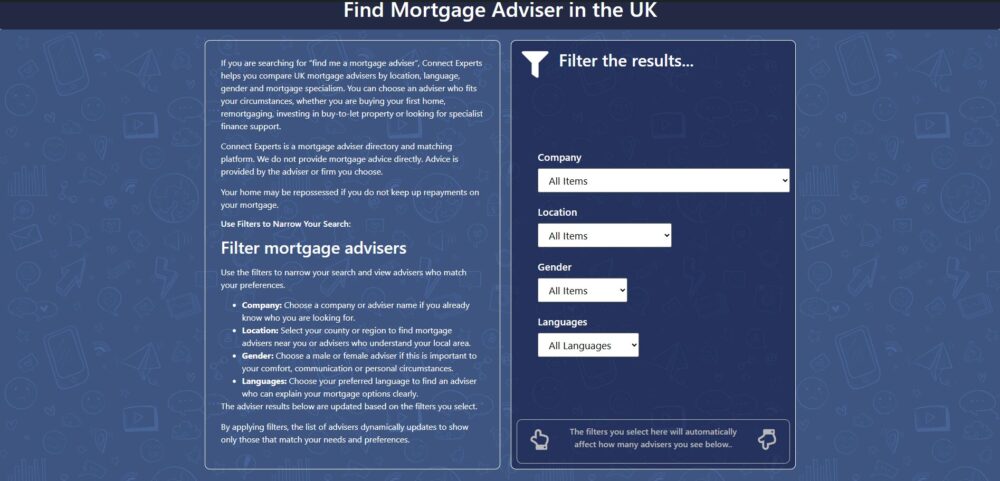
For wider adviser comparison, you can also use Connect Experts to find a holiday let mortgage adviser. Connect Experts is part of the wider Connect group and helps users search by location, language and mortgage type.
When Holiday Let Advice May Be Especially Useful
Advice may be useful if:
- You are buying your first holiday let.
- You are switching from long-term letting.
- You are buying through a limited company.
- You are an expat buying in the UK.
- You plan to use Airbnb or another booking platform.
- You need projected rental income assessed.
- You own several rental properties.
- You want to refinance an existing holiday let.
- You need to compare holiday let and buy-to-let options.
A holiday let mortgage is not only about the rate. It is about whether the whole case fits the lender’s criteria.
Speak to Connect Mortgages
Holiday let properties can form part of a wider property investment plan. However, they need careful review.
Before you commit, speak with an adviser who understands holiday let lending, buy-to-let finance and specialist mortgage criteria.
To discuss your options, contact Connect Experts Advisers.
FAQs: Holiday Let Mortgages
What is a holiday let mortgage?
A holiday let mortgage is designed for a property rented to guests for short stays. It is different from a residential mortgage and a standard buy-to-let mortgage.
Can I use a buy-to-let mortgage for a holiday let?
Usually, no. Standard buy-to-let mortgages are normally designed for longer tenancies. Holiday lets need lenders that allow short-term guest stays.
Do holiday let lenders use rental income?
Yes, many lenders use projected holiday let income. They may assess peak season, low season and expected annual occupancy.
Can first-time landlords get a holiday let mortgage?
Some lenders may consider first-time landlords. Others may prefer applicants with property or landlord experience. Criteria vary by lender.
Can expats get holiday let mortgages in the UK?
Some lenders may consider expat applicants. The decision can depend on country of residence, income, deposit, property type and lender criteria.
Can I buy a holiday let through a limited company?
Some lenders allow limited company holiday let mortgages. However, tax and legal advice should be taken before choosing this structure.
Are holiday let mortgages regulated?
Some holiday let mortgages may be unregulated. The position depends on the borrower, property use and mortgage structure. Your adviser can explain this before application.
Has holiday let tax changed?
Yes. GOV.UK confirms the Furnished Holiday Let tax regime was abolished from April 2025. Property owners should take qualified tax advice.
Do I need planning permission for a holiday let?
It depends on the property and local area. GOV.UK advises owners to check with the local planning authority before letting a self-catering holiday home.
How can Connect Mortgages help?
Connect Mortgages can help compare lender criteria, projected rental income requirements, ownership structures and mortgage options for holiday let properties.