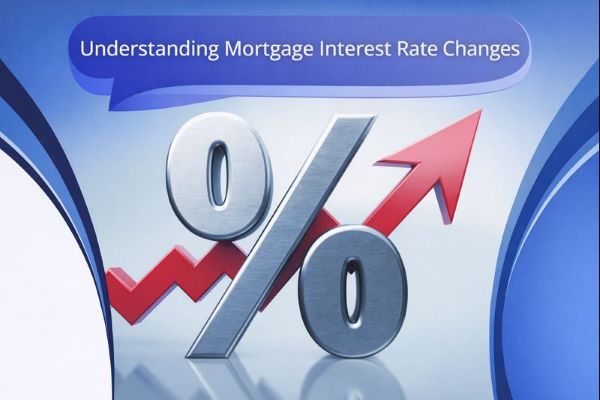
Understanding Mortgage Interest Rate Changes | Interest rates are a major factor in the mortgage market. They affect how much borrowers pay each month and how lenders assess affordability. For homebuyers, landlords, or those remortgaging, rate changes can have a direct financial impact.
In June, the Bank of England raised interest rates for the 13th consecutive time to bring inflation back to its 2% target. Currently, the base interest rate is set at 5%. Meanwhile, UK inflation has declined from its peak of 11.1% in 2022 to 8.7% as of May 2023.
When it comes to interest rates, we are all in the same boat regarding the current economy. That said, it also depends on the rate you are currently on. If you hold a variable-rate mortgage, an increase in interest rates will result in higher monthly payments. Therefore, exploring measures to ensure you can handle increased repayments is prudent.
One crucial aspect many overlook is their current level of affordability. You may already be teetering on the edge, where any further rate increase could put you under financial strain. It is always wise to assess your wiggle room and avoid being caught in a situation that could cause a financial tsunami.
By taking proactive steps to assess your financial situation and plan for potential interest rate fluctuations, you can gain peace of mind and protect yourself from any unexpected financial burdens. In an inflationary period, it is essential to be prepared and consider measures to maintain financial stability in the face of rising interest rates.
How Is Inflation Measured?
The Office monitors UK inflation for the Office for National Statistics (ONS). To measure inflation, economists assess how the prices of everyday goods and services change over time.
The most widely used measure is the Consumer Price Index (CPI). This index tracks price changes for approximately 180,000 items that represent typical household spending. These products constitute a representative basket of goods that helps illustrate how the cost of living is shifting.
As of May 2023, the CPI inflation rate was 8.7%, meaning prices had risen by that percentage compared to the same month the previous year. The Bank of England often uses the CPI to guide interest-rate decisions, which can directly affect mortgage rates and borrowing costs.
What About the Retail Prices Index (RPI)?
In addition to CPI, the Retail Prices Index (RPI) is another measure of inflation. Like the CPI, the RPI uses a basket of goods to track price changes. However, RPI includes some costs that CPI does not, such as mortgage interest payments and council tax.
This difference can lead to higher figures. In the same period, to May 2023, the RPI inflation rate was 11.4%, higher than the CPI reported.
Understanding the Difference Between CPI and RPI
While both indexes aim to reflect price changes, they use different formulas and cover different expenses. RPI tends to report a higher rate because it factors in housing-related costs. In contrast, CPI provides a broader view of consumer inflation, excluding mortgage payments.
For homeowners or those looking to remortgage or take out new loans, understanding how inflation is measured is important. Inflation influences fixed-rate mortgage pricing, affordability tests, and future mortgage protection planning.
The Knock-on Effect
Recently, inflation and interest rates have dominated economic discussions. The government is working to manage rising inflation. Households across the UK are adjusting to increased costs for essentials and non-essentials. Mortgage holders face additional challenges due to measures aimed at controlling inflation.
The Bank of England must tackle high inflation by raising interest rates. These rate increases directly affect mortgage repayments and long-term borrowing costs. The table below shows how rising interest rates could impact a typical customer. It aims to clarify the financial effects of interest rate changes.
The example below illustrates how increases in interest rates may affect a standard interest-only mortgage. It highlights the impact of various rate rises on monthly repayments.
- Mortgage Balance: £100,000
- Remaining Term: 10 years
- Current Rate: 5.85% (example rate)
- Current Month payment: £488
Rate Rise |
Increase in Monthly Payment |
| 0.5% | £41 |
| 1% | £83 |
| 2% | £166 |
Now let’s examine how different rate rises can affect a typical repayment mortgage:
- Mortgage Balance: £100,000
- Remaining Term: 10 years
- Current Rate: 5.85% (example rate)
- Current Month payment: £1,103
Rate Rise |
Increase in Monthly Payment |
| 0.5% | £25 |
| 1% | £50 |
| 2% | £102 |
The analysis highlights the effect of interest rate increases on mortgage repayments. The table shows how even a slight rise in interest rates can lead to higher monthly payments. For example, with a typical interest-only mortgage, rate increases of 0.5%, 1%, and 2% result in additional payments of £41, £83, and £166, respectively.
These rate increases for a standard repayment mortgage would result in additional monthly payments of £25, £50, and £102. Borrowers must consider the impact of such changes and assess their ability to manage future rate increases. Taking early steps to assess affordability helps borrowers stay prepared for potential interest rate fluctuations.
Concerned About Changing Interest Rates?
If you’re unsure how rising rates could affect your monthly payments, our Mortgage Calculator provides quick and clear insights.
This simple tool helps you see how changes in interest rates may impact your mortgage. By entering your loan balance, remaining term, and current rate, you can estimate your monthly repayments based on different scenarios.
Understanding these changes is key to making confident financial decisions. Whether you’re planning to remortgage, reviewing your current deal, or exploring fixed-rate options, the calculator helps you plan more effectively.
Use the Mortgage Calculator to:
- Forecast the impact of interest rate increases
- Explore different mortgage terms or repayment strategies
- Assess your affordability before applying or switching products
For more support on managing rate changes, visit our Remortgaging and Fixed Rate Mortgages pages. If you’re unsure which option suits your needs, “Find Mortgage Advisers” for personalised help from experienced professionals.
Considering Making Mortgage Overpayments?
Overpaying your mortgage can be a smart way to reduce total interest paid and shorten your loan term. If you can make additional payments, it could help you clear your balance sooner and save money over time.
At Connect Mortgages, our mortgage services support flexible repayment options. Making extra payments means you build equity faster and gain greater control over your financial future.
Our experienced advisers can guide you through the overpayment process, helping you understand your lender’s terms, any potential limits, and how overpayments fit into your overall financial goals. Whether you’re planning for early repayment or want to reduce interest costs, we’re here to help.
Take the next step toward mortgage freedom by making overpayments part of your repayment plan. Small, consistent contributions can bring significant long-term benefits. Start today and reduce your financial commitments sooner.
Thank you for reading our “Understanding Mortgage Interest Rate Changes | Bank of England” publication. Stay “Connect“-ed for more updates soon!