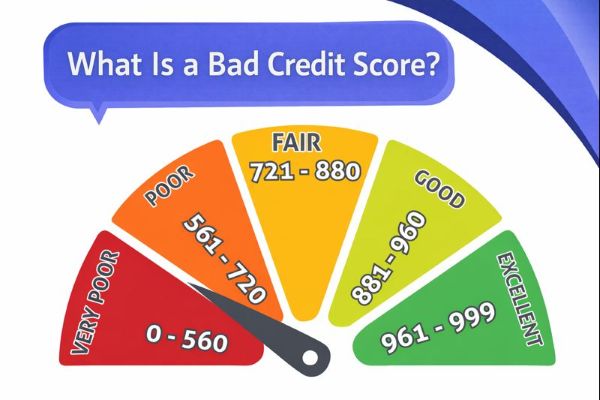
What Is a Bad Credit Score? |A bad credit score is a rating that indicates a higher level of financial risk to lenders. It is usually based on missed payments, defaults, County Court Judgments, or insolvency events. In the UK, each credit reference agency uses its own scoring system, but a lower score generally signals adverse credit.
Understanding Bad Credit Scores: A ‘bad’ credit score is a term that many people worry about. Simply put, a low credit score can make borrowing money more challenging. Yet, it is important to remember that you can improve your score.
For mortgage advisers and intermediaries, understanding how lenders view bad credit is essential when assessing client affordability and suitability.
How Lenders View Bad Credit
Mortgage lenders do not rely on credit scores alone. They also assess:
- The type and age of adverse credit
- Current income and affordability
- Deposit size
- Overall financial conduct
Clients with poor credit may still be eligible for specialist solutions such as an adverse credit mortgage, depending on individual circumstances.
You can learn more about available options on our Adverse Credit Mortgage service page.
Mortgage Options for Clients With Poor Credit
Clients with bad credit may be suitable for:
- Adverse credit residential mortgages
- Remortgages with specialist lenders
- Short-term solutions, such as a bridging loan
- Second charge mortgages, where appropriate
Each option carries different risks and costs, and all lending is subject to status and lender criteria.
Below are examples from the credit reference agencies most lenders use:

Understanding the Implications of a Bad Credit Score
A bad credit score can affect many areas of your financial life. A lower credit score often makes it harder to access everyday financial products. This may include mortgages, credit cards, personal loans, overdrafts, and car finance. Lenders typically view a poor credit score as an indicator of higher risk.
If a lender does agree to lend, the terms may be less favourable. Borrowers with bad credit are often offered higher interest rates. This increases the overall cost of borrowing. In some cases, lenders may limit how much you can borrow, reducing your financial flexibility.
When applying for a mortgage, a bad credit score does not always result in an automatic denial. Specialist lenders may still consider your application based on factors such as income, deposit size, and the age of any adverse credit.
A poor credit score can also have wider implications beyond borrowing. Some employers, particularly in regulated or financial roles, may carry out credit checks during the recruitment process. A low score may affect eligibility for certain positions, especially where financial responsibility is a key requirement.
Maintaining a healthy credit profile is important. It can influence how easily you can borrow and the interest rates you are offered. It may also affect other areas of your personal and professional life. Taking steps to understand and manage your credit position can improve your options over time.
Improving Your Credit Score
Improving a bad credit score is possible with consistent financial management. Making payments on time is one of the most effective steps. This demonstrates reliability to lenders and credit reference agencies.
It is also important to review your credit report regularly. Errors or outdated information can negatively affect your score. If you spot any inaccuracies, contact the relevant credit reference agency to request a correction. Reducing outstanding debt can also help. Lenders prefer applicants who can manage existing commitments before taking on new borrowing.
If you are planning to apply for a mortgage, it may be helpful to understand all available routes. Depending on your circumstances, short term solutions such as a Bridging Loan or borrowing through Second Charge Mortgages may be appropriate. All options are subject to affordability checks and lender criteria.
Once you understand how a bad credit score may affect you, speaking with an experienced mortgage adviser can provide clarity. A broker can assess your situation and explain which mortgage options may be suitable. You can also use Connect Experts to Find Mortgage Advisers who are experienced in specialist and adverse credit cases.
Thank you for reading our “Adverse Credit Mortgages | Untapped Opportunity for Brokers” publication. Stay “Connect“-ed for more updates soon!