When Mark first heard the phrase What is an Unregulated Mortgage? It was during a late evening call with his broker. He owned a property outright and wanted to borrow against it for a short-term investment. The loan did not feel like a standard mortgage, and the rules sounded different. Mark quickly realised that understanding what an unregulated mortgage is could protect him from costly mistakes.
What is An Unregulated Mortgage?
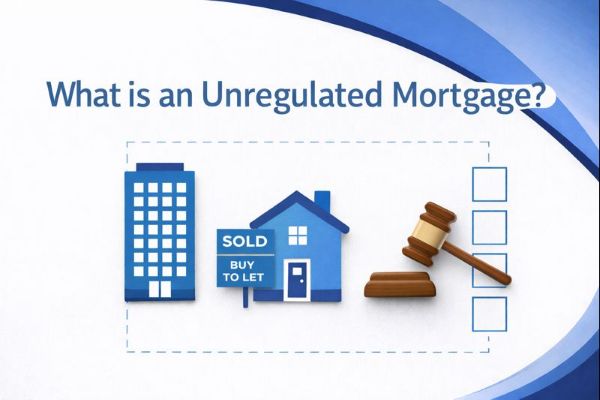
An unregulated mortgage is a loan secured against property that does not fall under the Financial Conduct Authority mortgage regulation. These mortgages are usually taken for business or investment purposes rather than for living in the property as a main home.
Common examples include loans secured on property for business use, development finance, or some types of bridging loans. Because they are unregulated, they lack the same consumer protections as regulated residential mortgages.
This does not make them unsafe by default. It does mean the borrower must fully understand the terms before proceeding.
When Does a Mortgage Become Unregulated?
A mortgage is typically unregulated when it is not secured on a property where the borrower or their close family live. For example, borrowing against a property purely for investment or commercial reasons is often unregulated.
Some short-term finance options, such as a bridging loan, may also be unregulated, depending on the circumstances. You can read more about this on our Bridging Loan page.
Who are Unregulated Mortgages Suitable For?
Unregulated mortgages are usually suitable for experienced borrowers who understand property finance and risk. This often includes landlords, property developers, and business owners.
If you are buying or refinancing an investment property, you may also want to explore a buy-to-let mortgage, which in many cases remains regulated. Our Buy to Let Mortgage page explains when the regulation applies.
Risks and Considerations
Because unregulated mortgages are not subject to FCA regulation, lenders have greater flexibility. This can be helpful, but it also means fewer protections for the borrower.
Interest rates can be higher, terms can be shorter, and repayment structures may be more complex. It is essential to check exit strategies and affordability from the outset.
Your property may be repossessed if you do not keep up repayments on a mortgage or any loan secured on it.
Key Characteristics of an Unregulated Mortgage
Flexibility is a defining feature. Lenders can structure terms to suit the transaction, often focusing more on the property value and exit strategy than on traditional credit scoring. This approach is common with bridging loans, where speed and asset value matter more than income history.
Because of reduced regulation, unregulated mortgages usually come with higher interest rates and additional fees. The cost reflects the increased risk the lender assumes and the limited consumer safeguards available to the borrower.
When Unregulated Mortgages are Commonly Used
Property investment is a frequent reason for choosing an unregulated mortgage. Investors may use them to expand a portfolio or refinance an existing rental property.
They are also widely used for property renovations and resale projects. Short-term finance, such as bridging loans, allows buyers to fund refurbishment work before selling or refinancing onto a longer-term product.
Auction purchases are another common scenario. Buyers often need to complete quickly, and unregulated lending can provide fast access to funds where timing is critical.
Business and commercial ventures also rely on unregulated finance. Loans secured against offices, retail units, or mixed-use buildings are often classed as unregulated. In these cases, a commercial mortgage may be more appropriate, depending on the deal structure.
When they are used
- Property Investment: Expanding portfolios or buying properties to let out.
- Property Flips: Financing renovations for resale (bridging loans).
- Auctions: Securing properties quickly before a sale.
- Commercial Ventures: Funding business-related property.
Regulated vs Unregulated Mortgages
Understanding whether a mortgage is regulated or unregulated is important. Regulation affects consumer protections, how advice is given, and the risks you take on.
| Feature | Regulated mortgage | Unregulated mortgage |
|---|---|---|
| Typical purpose | Buying or remortgaging your main home. | Business or investment borrowing, including some buy-to-let and commercial cases. |
| Consumer protection | Higher levels of FCA protections and mortgage conduct rules apply. | Fewer FCA mortgage protections apply, so the borrower has less regulatory cover. |
| Affordability checks | Lenders typically complete structured affordability assessments. | Checks may differ and may focus more on the property and exit strategy. |
| Advice and standards | Advice is subject to stricter regulated mortgage standards. | Advice requirements can differ, depending on the product and circumstances. |
| Speed and flexibility | Often slower with stricter criteria. | Often faster with more flexible criteria, especially for time-sensitive deals. |
| Pricing and fees | Can be lower cost for many borrowers, depending on profile and product. | Often, higher interest rates and fees are due to higher risk and specialist underwriting. |
| Common examples | Residential purchase mortgages and residential remortgages. | Short-term lending, such as bridging loans or finance secured on business property, such as commercial mortgages. |
| Who it suits | Most homeowners want strong protections and long-term borrowing. | Experienced investors or business borrowers who understand the risks and have a clear plan. |
Understanding what an unregulated mortgage is can make the difference between a flexible funding solution and an unsuitable financial commitment. These mortgages can work well in the right circumstances, but clarity and advice are essential.
If you are unsure whether an unregulated mortgage applies to your situation, speaking to an experienced adviser is always the safest next step.
Thank you for reading our “What is an Unregulated Mortgage? | Connect Mortgages ” publication. Stay “Connect“-ed for more updates soon!