

Why Well-Designed HMOs Deliver More Than Just Yield: The HMO market has changed.
For many years, Houses in Multiple Occupation carried a difficult reputation. They were often linked with overcrowding, poor living conditions and intense local authority scrutiny. Some of that reputation was earned by poor practice. However, it does not tell the full story of how the market is now developing.
A modern HMO is no longer just a property with more rooms. At its best, it is a carefully planned living environment. It gives tenants privacy, shared space, safety and convenience. It also gives landlords a more stable investment model when managed properly.
This matters because property performance is not created by yield alone. It is shaped by how people live in the property, how long they stay, and how well the property works day after day.
For landlords reviewing HMO mortgages, design is no longer a soft detail. It can affect lender confidence, tenant demand, maintenance costs and long-term resilience.
What Is an HMO?
A House in Multiple Occupation is generally a property rented by at least three people who are not from one household and share facilities such as a kitchen, bathroom or toilet. A large HMO usually has at least five tenants, forming more than one household, with shared facilities. GOV.UK sets out these definitions for private renting in England.
This definition matters, but it is only the starting point.
Two HMOs can look very different in practice. One may feel cramped, poorly planned and hard to manage. Another may provide generous rooms, practical storage, strong communal space and clear separation between private and shared areas.
Both may be HMOs by definition. However, only one is likely to support a better tenant experience and a stronger landlord proposition.
The Shift From Density to Design
Older HMO models often focused on maximising the number of rooms. The calculation was simple: more rooms, more rent.
However, that approach can create problems. Small rooms, weak communal areas and poor layouts can increase friction between tenants. They can also increase wear, complaints and turnover.
A high-yield property is not always a high-performing property.
Well-designed HMOs challenge the old model. They often prioritise fewer, better rooms rather than pushing every possible space into use. This can include larger bedrooms, en-suite facilities, better kitchens, practical workspaces and shared areas that people actually want to use.
This is not just about presentation. It is about how design changes behaviour.
When tenants have enough space, they are less likely to clash. When shared areas work well, the property can be easier to manage. When the accommodation feels considered, tenants may be more likely to stay.
For landlords, that can support lower voids, fewer disputes and a more predictable investment.
Why Design Affects Commercial Performance
Design is often treated as decoration. In an HMO, it is part of the operating model.
A poorly designed HMO can create problems that later appear as costs. These may include higher maintenance, more frequent tenant changes, weak reviews, management pressure and rental instability.
A well-designed HMO can support stronger performance because it considers how tenants live.
Important design factors may include:
- Room size and layout.
- Natural light.
- Sound control.
- Storage.
- Bathroom access.
- Kitchen capacity.
- Fire safety routes.
- Shared seating areas.
- Laundry space.
- Waste storage.
- Broadband and working areas.
- Clear zoning between private and shared space.
These details may appear small. Yet they can affect how comfortable, settled and respectful tenants feel inside the property.
That is where the commercial case becomes clearer. Quality accommodation may cost more to create, but it can help protect income over time.
Why Regulation Has Changed the Conversation
HMOs are more closely regulated than standard single-let rental properties.
Landlords may need an HMO licence, depending on the size of the property and local council rules. GOV.UK states that landlords must apply through the local council for an HMO licence in England or Wales.
This means landlords need to think beyond rent and refurbishment. They must consider licensing, safety, management standards and local planning rules.
Some councils also operate additional licensing schemes. This means smaller HMOs may require a licence in certain areas, even when they fall below the large HMO threshold.
Shelter also explains that landlords have extra legal responsibilities when renting out HMOs. This reflects the higher standard expected where unrelated tenants share a property.
For investors, this makes preparation important. A property that works on a spreadsheet may still fail in practice if the licensing, planning or management position is weak.
What Lenders May Look At
HMO lending is more specialised than standard buy-to-let mortgages.
Lenders may review the borrower, the property, the tenancy structure and the HMO itself. They may also consider the landlord’s experience, especially where the property is larger, licensed or being converted.
Lenders may look at:
- HMO licence position.
- Number of tenants.
- Number of lettable rooms.
- Room sizes.
- Property layout.
- Valuation method.
- Rental demand.
- Fire safety works.
- Planning position.
- Local authority rules.
- Landlord experience.
- Ownership structure.
- Rental coverage.
- Management arrangements.
This is why landlords should review finance early. A property may appear suitable from a rental view but still raise lender questions.
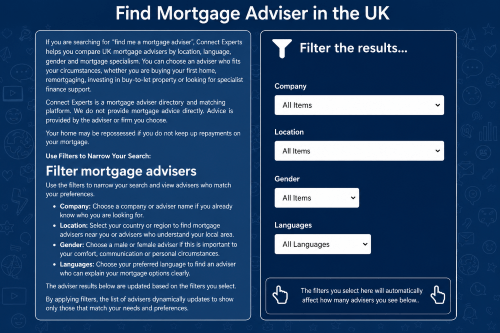
For complex cases, landlords may need advice from someone who understands both HMO finance and lender expectations. Connect Experts also allows landlords to search for HMO mortgage brokers where specialist adviser support is needed.
The Tenant Experience Is Now Part of the Investment Case
A strong HMO is not built around rooms alone. It is built around the people who will live there.
Tenant expectations have changed. Many renters want flexibility, but they also want privacy, quality and stability. They may accept shared living, but they are less likely to accept poor standards.
This is particularly relevant in larger towns and cities where tenants may include young professionals, key workers, postgraduates and people relocating for work.
A well-designed HMO can offer:
- A private space that feels personal.
- Shared areas that feel usable.
- Faster broadband and work-friendly layouts.
- Better security.
- Practical storage.
- Cleaner circulation areas.
- A sense of order and respect.
This is where the philosophy of HMO investment has shifted.
The property is not simply a container for rent. It is a living system. When that system works well, people stay longer, look after the space and help protect the income.
Why High-End HMOs Can Be More Resilient
High-end HMOs can offer more than headline yield. They can offer stronger retention and clearer differentiation.
In a crowded rental market, quality can become a defence. Tenants may have more reason to stay if the property gives them privacy, comfort and convenience. That can reduce void periods and make rental income more consistent.
This does not remove risk. HMOs still carry costs, regulation and management demands. However, a better-designed property may be easier to justify to tenants, lenders and valuers.
For landlords building a long-term portfolio, this matters.
A strong HMO should not rely only on squeezing extra rooms into a property. It should be able to show why the layout, condition, location and tenant offer make sense together.
HMO Finance and Limited Company Structures
Many landlords now review whether to buy or refinance HMOs through a limited company.
This may be relevant for tax planning, portfolio growth or long-term ownership. However, the right structure depends on personal circumstances. Landlords should seek tax advice before choosing how to hold the property.
From a mortgage view, lenders may consider:
- Company structure.
- SIC code.
- Director background.
- Personal guarantees.
- Deposit source.
- Rental income.
- Existing portfolio.
- Landlord experience.
- Property type.
- HMO licence status.
This is where buy-to-let mortgage brokers can help landlords understand lender expectations before they commit to a purchase or refinance.
When an HMO May Not Be the Right Route
Not every property should become an HMO.
Some homes are not suitable because of layout, location, planning restrictions or local demand. Others may require too much work to meet licensing and safety standards.
An HMO may not be suitable if:
- The area has weak tenant demand.
- The property layout is difficult to adapt.
- Licensing costs make the numbers weak.
- Planning restrictions limit HMO use.
- Fire safety works are too expensive.
- Management demands are too high.
- The landlord lacks suitable experience.
- The finance costs reduce the expected return.
The right question is not just “Can this become an HMO?”
The better question is “Can this become a good HMO?”
That distinction matters.
What Landlords Should Review Before Applying
Before applying for HMO finance, landlords should gather key information.
This may include:
- Property value.
- Purchase price or refinance amount.
- Current or expected rental income.
- Number of rooms.
- Licence position.
- Planning position.
- Refurbishment costs.
- Fire safety requirements.
- Management plan.
- Ownership structure.
- Deposit source.
- Existing portfolio details.
- Personal income and commitments.
Landlords should also compare the HMO route with other forms of residential investment finance, especially if the property could work as a standard buy-to-let.
For landlords buying their first rental property, our guide to first-time landlord mortgage advice may also help explain how lenders assess rental property finance.
The Connect Mortgages View
The best HMOs are not built by accident.
Planning, design, regulation, finance, and long-term thinking shape them. They work because the property is built around real tenant needs, not just a rent roll.
Yield still matters. Landlords need the investment to perform. However, yield becomes more meaningful when supported by good accommodation, clear compliance, and stable demand.
That is the future of better HMO investment.
It is not only about how much rent a property can produce. It is about whether the property can keep producing it responsibly, sustainably and with fewer avoidable problems.
If you are buying, refinancing or converting an HMO, speak to a Connect Experts adviser about your finance options.
Some forms of buy-to-let and commercial mortgages are not regulated by the Financial Conduct Authority. Your property may be repossessed if you do not keep up repayments on your mortgage or any loan secured on it.
FAQs
What is an HMO?
An HMO is usually a property rented by at least three people who are not from one household and who share facilities such as a kitchen, bathroom or toilet. Large HMOs usually have at least five tenants from more than one household.
Do all HMOs need a licence?
Large HMOs usually need a licence. Some councils also require smaller HMOs to be licensed through additional licensing schemes. Landlords should check the rules with the local council before buying or converting a property.
Why do landlords invest in HMOs?
Landlords often invest in HMOs because they may produce stronger rental income than a standard single-let property. However, they also involve more regulation, management and setup costs.
Are HMO mortgages different from buy-to-let mortgages?
Yes. HMO mortgages are a specialist form of buy-to-let finance. Lenders may review the licence position, room numbers, rental income, landlord experience, planning status and property layout.
Can a first-time landlord get an HMO mortgage?
Some lenders may consider first-time landlords, but criteria can be stricter. Many lenders prefer applicants with landlord experience, especially for larger or licensed HMOs.
Why does design matter in an HMO?
Design affects how tenants live in the property. Good room sizes, practical shared areas, storage and privacy can reduce conflict, improve tenant retention and support long-term rental performance.
Are high-end HMOs better investments?
Not always. A high-end HMO may perform well if the location, demand, design, licensing and finance all make sense. However, higher setup costs and management needs must be reviewed carefully.
Can I buy an HMO through a limited company?
Yes, many landlords use limited companies for HMO purchases or refinancing. However, tax treatment depends on personal circumstances, so landlords should seek tax advice before choosing a structure.
What should I check before buying an HMO?
Check local demand, licensing rules, planning restrictions, room sizes, fire safety costs, rental income, refurbishment costs, lender criteria and management requirements.
Where can I find an HMO mortgage adviser?
You can speak to Connect Mortgages about HMO finance or search Connect Experts for an adviser with HMO mortgage experience.