How Do Islamic Mortgages Work? | In today’s society, having multiple choices is the norm. We should never compromise on our values or beliefs. If you are looking for Shariah-compliant ways to buy a home, we respect your religious preferences. At Connect Mortgages, we are committed to ensuring our processes comply with Shariah guidelines.
The answer is yes, but today we focus on how Islamic mortgages work. Islamic mortgages, often called home purchase plans (HPPs), differ from traditional mortgages because they are interest-free. Instead of charging interest, these mortgages use a leasing or partnership model to comply with Shariah principles. Once approved, you can access the funds required to buy your chosen property.
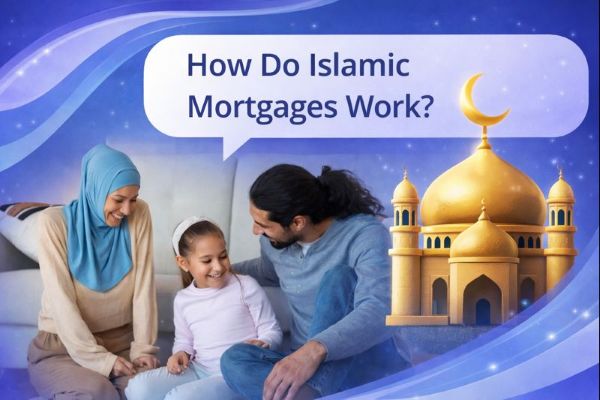
How Do Islamic Mortgages Work?
For many Muslim homebuyers, traditional mortgage products pose a challenge due to the use of interest (riba), which is prohibited under Islamic law. As a solution, Islamic mortgages, also known as Sharia-compliant home finance, provide a faith-aligned alternative to buying a home in the UK.
Unlike standard mortgages, these products do not involve interest. Instead, they are structured as home-purchase plans grounded in ethical ownership and shared risk.
What Makes a Mortgage Islamic?
Islamic mortgages follow Sharia principles, meaning they avoid:
- Charging or paying interest (riba)
- Financing activities considered unethical (e.g., gambling, alcohol)
- Unjust or speculative contracts
Instead of lending money and charging interest, an Islamic lender will buy the property and sell it to you at an agreed markup or lease it back to you while you make monthly payments.
How an Islamic Mortgage Works
With a Sharia-compliant mortgage, the bank becomes the legal owner of the property and purchases it on your behalf. Rather than paying interest, you make monthly payments that resemble rent. These payments gradually increase your share in the property until you fully own it.
This structure aligns with Islamic finance principles by avoiding interest-based (riba) transactions. Each monthly payment brings you closer to full ownership without incurring any interest charges.
Throughout the agreed mortgage term, you steadily buy out the bank’s share. Once all payments have been made and any remaining balance is cleared, the property is transferred to your full ownership.
Who Can Get an Islamic Mortgage?
Islamic mortgages are designed for individuals who prioritise ethical finance and prefer alternatives to interest-based borrowing. Rooted in Sharia-compliant principles, these mortgages offer a transparent structure where the total cost is clearly agreed at the start, aligning with faith-based and socially responsible financial preferences.
Unlike conventional mortgages, Sharia-compliant home finance avoids interest charges (riba) and ensures the funding process respects ethical and religious values. This makes them ideal for Muslim buyers and others who seek interest-free mortgage options.
A defining feature of Islamic mortgages is their commitment to responsible finance. Islamic mortgage lenders avoid investing in prohibited sectors such as alcohol, gambling, or tobacco. This ensures that your home financing aligns with your personal beliefs and values.
It’s important to note that Islamic mortgages are open to all, regardless of religion. Anyone who values ethical, transparent, and socially conscious lending is eligible to apply. These products provide a viable, principled alternative to traditional home loans.
How Can You Tell if a Bank Is Sharia-Compliant Without Being an Islamic Bank?
If a financial institution isn’t a dedicated Islamic bank, how can you be sure its mortgage products still meet Sharia principles? The answer lies in certification and oversight by qualified Islamic finance authorities.
Shariah Compliance Through Certified Oversight
To ensure that Islamic mortgages are truly halal, banks must obtain approval from recognised Shariah scholars. These scholars specialise in both Islamic law and financial practices. Their role is to confirm that the structure of the mortgage aligns with Islamic ethical guidelines.
Most banks offering Sharia-compliant mortgages work closely with either independent Islamic scholars or dedicated Shariah advisory boards. These boards are responsible for reviewing and certifying that financial products such as Ijara, Murabaha, or Diminishing Musharaka home finance meet faith-based standards.
What Should You Look For?
When comparing providers, always ask about their Shariah compliance process. Reputable institutions will provide:
- Clear documentation outlining their Shariah certification
- Endorsements from respected Islamic finance organisations
- Information about their Shariah board members or advisors
Transparency is key. If a lender is truly committed to ethical finance, they will readily share how their mortgage products have been evaluated for Shariah compliance.
Why This Matters
Choosing a lender with recognised Shariah oversight ensures your Islamic home finance is not just labelled halal, but genuinely structured according to Islamic values. This reassurance is important for Muslim homebuyers seeking a faith-aligned alternative to traditional mortgage products.
Types of Islamic Mortgage Structures
There are three main types of Sharia-compliant mortgage alternatives:
- Ijara (Lease to Own): The bank buys the property and leases it to you. You pay monthly rent plus a contribution toward ownership. At the end of the term, the property is transferred to you.
- Murabaha (Buy and Sell): The lender buys the home and immediately sells it to you at a higher price, with repayment spread over time. No interest is charged; the profit is fixed and agreed upfront.
- Diminishing Musharaka (Shared Ownership)
You and the bank jointly own the property. Over time, you gradually buy out the bank’s share while paying rent on the portion they still own.
Each structure ensures the mortgage is halal, offering an ethical alternative that helps Muslim buyers achieve homeownership.
Looking to explore your options? Find Mortgage Advisers who specialise in Islamic finance and can guide you through Sharia-compliant choices.
Comparing Conventional Mortgages and Islamic Home Purchase Plans
When buying a home in the UK, many individuals must choose between a conventional mortgage and a Shariah-compliant mortgage, often referred to as a Home Purchase Plan (HPP). The fundamental distinction between these two lies in their treatment of interest (Riba) and how ownership is structured.
What Makes Them Different?
Conventional mortgages rely on interest-based lending. You borrow money from the bank and repay it over time with interest. The bank profits from the interest charged on the loan.
Islamic mortgages, on the other hand, avoid interest entirely. Instead, the bank either purchases the property outright and sells it to you at a profit (Murabaha), leases it to you while you gradually acquire ownership (Ijara), or co-owns the property with you through a shared ownership model (Diminishing Musharaka). These structures are Shariah-compliant and align with Islamic ethical standards.
Want help choosing the right mortgage path? Find Mortgage Advisers who understand both conventional and Islamic finance.
Side-by-Side Comparison
| Feature | Conventional Mortgage | Islamic Mortgage (Home Purchase Plan) |
|---|---|---|
| Interest (Riba) | Interest is charged and paid monthly | No interest charged; payments reflect rent or agreed profit |
| Ownership Structure | You own the home; the bank holds a legal charge | Bank initially owns or co-owns the property; ownership transfers over time |
| Mechanism | Standard loan agreement | Sale or lease agreement (Murabaha, Ijara, Musharaka) |
| Shariah Compliance | Not Shariah-compliant | Fully Shariah-compliant and halal |
| Risk Distribution | Borrower bears the full financial risk | Bank shares risk as a co-owner or lessor |
Which Mortgage Option Is Right for You?
Choose a Conventional Mortgage if:
- Religious considerations do not restrict you
- You prefer a traditional interest-based structure
- You seek potentially lower administrative or legal costs
Explore Mortgage Options to learn more about conventional choices.
Choose an Islamic Mortgage if:
- You want a halal, interest-free solution
- You value ethical, asset-backed transactions
- You are comfortable with shared ownership or profit-based payment models
- You seek a product that aligns with Islamic financial principles
Choosing the Right Path
Both mortgage types aim to help you secure a home, but their structures, costs, and ethical considerations differ. Islamic mortgages offer an alternative that respects religious beliefs while still allowing responsible property ownership. Conventional mortgages offer simplicity and potentially lower entry costs, depending on lender terms.
If you’re a mortgage professional helping clients explore diverse finance options, “Join our Mortgage network” to access the latest tools and support across both sectors.
Thank you for reading our “How Do Islamic Mortgages Work? | Sharia-compliant Mortgages” publication. Stay “Connect“-ed for more updates soon!