What Happens When a Fixed Rate Ends? | Your fixed-rate mortgage is nearing the end. Now what?
For many homeowners, this moment brings uncertainty. Your monthly payments may soon change, and if you don’t act quickly, you could automatically switch to a lender’s Standard Variable Rate (SVR). This often means higher costs and less control.
But here’s the good news: you have options. With the right strategy, you can stay financially secure and even improve your mortgage deal. Explore your options: Fixed vs. Variable.
This guide explains what happens when your fixed-rate mortgage ends, outlines your next steps, and helps you make informed decisions with confidence.
What Is a Fixed Rate Mortgage?
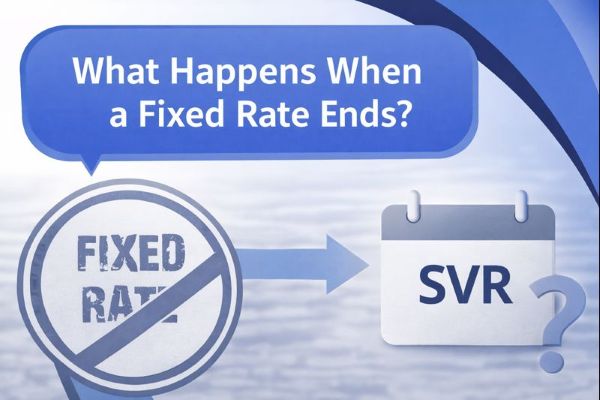
A fixed-rate mortgage offers a consistent interest rate for a set period, typically 2, 5, or 10 years, providing predictable monthly payments and helping you budget with confidence. Once the fixed term ends, your loan usually moves to the lender’s Standard Variable Rate (SVR). This rate can change at any time, often leading to higher monthly costs.
To avoid unexpected increases, many homeowners choose to remortgage or switch to a new deal before the fixed rate expires. For more details, visit our Fixed Rate Mortgages page or explore Remortgage Advice to review your next steps.
What Happens When It Ends?
When your fixed term ends, your lender moves your mortgage onto their SVR unless you proactively arrange a new deal. SVR rates are typically 2–5% higher than current fixed rates and can fluctuate with market trends.
This change often leads to a sudden increase in your monthly mortgage payments. You might end up paying hundreds of pounds more each month for no added benefit.
Tips and Options for When Your Fixed Rate Ends
To avoid being on an expensive and unpredictable SVR, most people opt to secure a new deal. You should start exploring your options around three to six months before your fixed term ends to allow enough time for the process.
Your Options After a Fixed Rate Ends
Remortgage to a New Fixed Rate
One of the most common and effective options is to remortgage. This means switching to a new mortgage deal, either with your current lender or a new one.
Remortgaging gives you the chance to:
- Lock in a new competitive rate
- Adjust your mortgage term
- Borrow more (if needed for renovations or other expenses)
- Potentially reduce your monthly repayments
Switch to a Tracker or Discount Rate
If you’re comfortable with some variability and believe interest rates may fall, you might consider a tracker mortgage or a discounted variable rate. These follow the Bank of England base rate or lender’s internal rate, but with a discount applied.
Be aware that these deals carry more risk and require a solid understanding of how rates may shift. You can explore these options on our Mortgage Types page.
Stay on the SVR (but understand the cost)
Some homeowners choose to stay on their lender’s SVR for flexibility, such as planning to move home or pay off the mortgage early. While this avoids early-repayment charges, it often comes with higher monthly costs and long-term uncertainty.
If you are considering this route, we recommend reviewing our Mortgage Broker Support for strategic planning.
Timing Is Everything
It’s wise to start reviewing your options three to six months before your fixed rate ends. Many lenders allow you to secure a new deal up to six months in advance, locking in rates before potential increases.
Delaying could cost you more in the long run. Acting early also gives you time to compare deals and ensure the new mortgage fits your current lifestyle and goals.
How to Find the Best Deal
Mortgage products are constantly changing. Working with an expert can help you navigate your options.
If you’re unsure what deal is right for you, it’s time to Find Mortgage Advisers who can compare the market, explain your choices, and even handle the paperwork for you.
They’ll take into account:
- Your current mortgage balance and term
- Any changes to your income or property value
- Whether you plan to move or stay long-term
- Your risk tolerance for interest rate changes
Are You a Mortgage Broker?
If you support clients through fixed-rate transitions and want access to better tools and products, you can “Join our Mortgage network” and gain exclusive lender access and business support.
What to Watch Out For
- Early Repayment Charges: Make sure your current fixed rate term has ended before switching, or check if a fee applies.
- Arrangement Fees: Some new deals come with fees that may outweigh the benefit of a lower rate.
- Property Valuation and Credit Checks: These might be required when remortgaging, so have your documents ready.
- SVR Shock: Don’t wait to find out how much more you’ll pay. Use a mortgage calculator to forecast new monthly costs if you don’t act.
When your fixed rate ends, your mortgage shouldn’t be left to drift. Letting it default to SVR can cost you dearly in both money and peace of mind.
Understanding your options early and working with a trusted adviser ensures you can take control of your next step with confidence. Whether you remortgage, switch to a new deal, or reassess your goals, taking action now can make a lasting difference to your financial future.
Thank you for reading our “What Happens When a Fixed Rate Ends? | Connect Mortgages” publication. Stay “Connect“-ed for more updates soon!