

Is Being a Fruitful Landlord Still Feasible? A good landlord does not simply own property.
They read the numbers, respect the risk, and understand that rent is not the same as profit.
That is why the question matters. Is being a fruitful landlord still feasible in 2026? The answer is yes for some landlords, but not by accident. Buy-to-let now depends on structure, rent, mortgage costs, tax position, property condition and lender criteria.
The old idea of buying any rental property and waiting for growth no longer works for everyone. Today, a landlord needs to know whether the property can withstand higher costs, stricter rules, and changing tenant expectations.
This guide explains the technical and practical factors that determine whether a buy-to-let property can remain profitable.
Can landlords still make buy-to-let work?
Yes, but the margin for error is smaller.
A landlord may still build a sustainable property portfolio when the rent supports the loan, the ownership structure makes sense, the property meets lender and legal standards, and the long-term plan is clear.
However, higher mortgage costs, tax restrictions, affordability testing, and regulation mean every property needs a proper review before purchase, refinancing, or expansion.
A fruitful landlord in 2026 is not just someone who collects rent. It is someone who understands the full cost of holding the asset.
What Makes a Landlord “fruitful” Today?
A fruitful landlord is not always the one with the largest portfolio.
Often, the landlord has the strongest control over risk.
That means knowing:
- What the property earns
- What the mortgage costs
- How the lender tests the rent
- How tax affects net income
- Whether repairs and upgrades are affordable
- Whether the property still suits the long-term plan
- Whether the ownership structure still works
A property can look profitable before tax and still feel tight after finance costs, insurance, repairs, void periods and compliance spending.
Therefore, landlords should judge performance on net return, not headline rent.
Buy-to-Let Mortgage Costs Now Matter More
A buy-to-let mortgage is not just a way to buy a rental property. It is a funding structure that affects cash flow every month.
Landlords should review the following before taking a new deal:
- Loan-to-value
- Product rate
- Arrangement fee
- Fixed-rate period
- Valuation assumptions
- Rental income
- Property type
- Landlord experience
- Ownership structure
- Early repayment charges
- Refinance options at the end of the deal
A lower rate may not always be the best option if the fee is high. Likewise, a longer fixed rate may support affordability testing, but it can also reduce flexibility.
For landlords reviewing a property purchase or refinance, our buy-to-let mortgage guide explains how rental income, lender criteria and borrowing structure can affect the outcome.
Why the Interest Coverage Ratio Matters
The Interest Coverage Ratio, often called ICR, is one of the most important buy-to-let calculations.
It helps a lender decide whether the rent is enough to cover the mortgage interest by a required margin.
In simple terms, the lender asks:
Does the rent comfortably cover the stressed mortgage payment?
Many lenders test rental income using a stressed interest rate and a required rental cover percentage. The exact calculation varies by lender, product, tax position and property type.
This is why two landlords can apply for the same loan amount and receive different outcomes. It is also why one lender may decline a case that another lender may consider.
The Bank of England’s PRA buy-to-let underwriting standards set expectations for lenders around buy-to-let affordability, including ICR and interest-rate stress testing.
Rental Yield is Only the Starting Point
Gross yield is useful, but it does not tell the whole story.
A property with strong rent may still perform poorly if the running costs are high.
Landlords should review:
- Mortgage interest
- Letting agent fees
- Insurance
- Service charges
- Ground rent where applicable
- Repairs
- Void periods
- Licensing costs
- Accountancy fees
- Safety checks
- Tax
- Future upgrade costs
A property with a lower headline yield may be more stable if it has stronger tenant demand, fewer repairs and better refinance options.
This is where practical judgement matters. Property investment is not only about chasing the highest rent. It is about understanding how much income remains after the property has been properly maintained and funded.
Tax Treatment Can Change the Outcome
Tax can decide whether a landlord keeps enough income after costs.
Individual landlords no longer deduct residential mortgage interest from rental income as they once did. Instead, finance cost relief is restricted and given as a basic-rate tax credit.
This can affect higher-rate and additional-rate taxpayers more sharply.
Some landlords, therefore, consider company ownership. However, a limited company route is not automatically better. It can involve different mortgage pricing, company administration, accountancy costs, and tax on the extraction of profits.
The right answer depends on the landlord’s income, borrowing, portfolio plan and exit strategy. A mortgage adviser can explain lender options, but landlords should also take qualified tax advice.
For landlords comparing personal ownership with company borrowing, our limited company buy-to-let mortgage guide explains how lender criteria may differ.
Making Tax Digital Now Belongs in the Landlord Plan
Landlords also need to think about administration.
HMRC says Making Tax Digital for Income Tax applies from 6 April 2026 to landlords and sole traders with total annual income from self-employment and property above £50,000.
This means affected landlords need digital records, compatible software and quarterly updates to HMRC.
Good bookkeeping is no longer just useful at tax return time. It can help landlords understand cash flow throughout the year.
A landlord who knows the numbers early can act earlier. That may mean reviewing rent, refinancing, improving the property or pausing a purchase.
HMO landlords Need Extra Care
HMO properties can offer higher rental income, but they can also carry more complexity.
A lender may look closely at:
- Licence position
- Room sizes
- Planning use
- Fire safety
- Management experience
- Tenant demand
- Valuation method
- Local authority requirements
- Rental sustainability
Some standard buy-to-let lenders may not support HMO properties. Others may apply specialist criteria.
This does not mean HMOs are unsuitable. It means the finance, property standards and management model need to work together.
Our HMO mortgages page explains how Houses in Multiple Occupation may be assessed by mortgage lenders.
Portfolio Landlords Face Deeper Underwriting
A landlord with several mortgaged properties may face more detailed checks.
The lender may review:
- The full portfolio schedule
- Total borrowing
- Rental income across all properties
- Background assets and liabilities
- Experience as a landlord
- Business plan
- Cash flow
- Exposure to one location or tenant type
This matters because one weak property can affect the wider application.
For landlords with four or more mortgaged buy-to-let properties, portfolio underwriting can be more detailed. Our buy-to-let portfolio mortgage guide explains how lenders may assess the wider position.
Regulation Now Affects Practical Returns
Landlords must also consider legal and operational duties.
The Renters’ Rights Act changed how landlords let private properties in England from 1 May 2026, according to GOV.UK.
This makes practical management more important. A landlord needs clear records, proper tenancy processes, prompt maintenance and an understanding of possession rules.
The philosophical point is simple. A rental property is someone else’s home before it is an investment asset.
Landlords who understand that balance may be better placed to build longer-term, stable tenancies.
Should Landlords Refinance, Hold, Improve, or Sell?
Not every landlord needs to buy more property.
Sometimes the right decision is to improve the structure of what already exists.
A landlord may consider refinancing when:
- The current mortgage deal is ending
- The rate is no longer competitive
- The rent has increased
- the property value has changed
- The ownership plan has changed
- Cash flow has become tight
- A longer fixed rate may support planning
- Equity may support another purchase or improvement
However, refinancing is not always the answer. Early repayment charges, valuation changes, lender stress tests and fees may reduce the benefit.
A proper review should compare the cost of staying with the current deal against the cost of moving.
Practical checklist for landlords
Before buying, refinancing or expanding, landlords should ask:
- Does the rent pass lender affordability checks?
- What happens if the rate rises at the next review?
- Is the property still profitable after tax and repairs?
- Is the ownership structure still suitable?
- Are digital records ready for Making Tax Digital?
- Does the property meet current letting requirements?
- Is the insurance position correct?
- Is there enough cash for voids and maintenance?
- Does the property still fit the long-term plan?
If the answer is unclear, the property needs a review before the next decision.
Protection and Insurance Should Not Be Ignored
A landlord’s return can be adversely affected by events that are not included in the mortgage calculation.
These may include tenant damage, legal disputes, rent interruption, fire, flood or liability claims.
The right insurance depends on the property, tenancy type and landlord needs. Our landlord insurance guide explains cover areas landlords may need to consider.
Insurance does not make a poor investment strong. However, it can help protect a suitable investment from avoidable financial shocks.
When Should a Landlord Speak to a Mortgage Adviser?
A landlord may benefit from advice when:
- Buying a first rental property
- Reviewing an existing buy-to-let mortgage
- Refinancing a portfolio
- Considering a limited company structure
- Buying an HMO
- Dealing with complex income
- Comparing fixed-rate options
- Checking rental stress tests
- Planning future borrowing
Connect Mortgages can help landlords review mortgage options across buy-to-let, HMO and limited company lending.
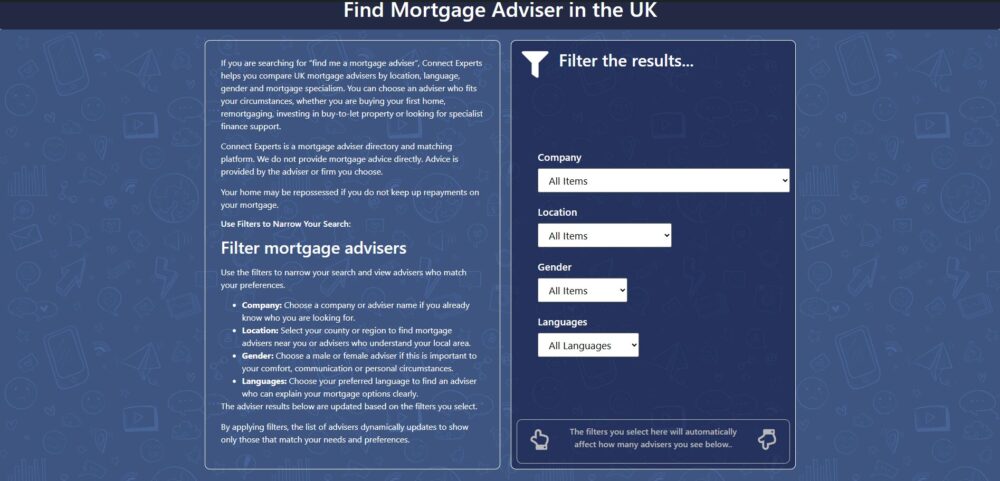
If you want to compare adviser profiles by location, language or mortgage area, you can also use Connect Experts to find a buy-to-let mortgage adviser.
So, is Being a Fruitful Landlord Still Feasible?
Yes, but it is no longer passive.
The landlords most likely to succeed are those who treat property as a managed financial commitment. They review the mortgage, understand the rent, prepare for tax, maintain the property and keep enough flexibility for change.
Buy-to-let can still work when the numbers are honest.
It becomes risky when hope replaces calculation.
A fruitful landlord in 2026 is not simply someone who owns more property. It is someone who knows which properties still deserve to be held.
If you are reviewing your next step, contact Connect Mortgages to discuss your buy-to-let mortgage options.
FAQ
Is being a landlord still profitable in the UK?
Being a landlord can still be profitable in the UK, but the result depends on rent, mortgage costs, tax, repairs, insurance, void periods and property condition. Landlords should review net cash flow rather than gross rent alone.
What is the biggest challenge for buy-to-let landlords?
The biggest challenge is often reduced margin. Higher mortgage costs, tax restrictions, lender stress tests and compliance duties can reduce the income left after costs.
What is an Interest Coverage Ratio?
An Interest Coverage Ratio is a lender calculation used in buy-to-let mortgage assessments. It checks whether the rental income covers the stressed mortgage interest by a required margin.
Are limited company buy-to-let mortgages better?
Limited company buy-to-let mortgages may suit some landlords, especially those planning to grow or retain profits in the company. They are not automatically better for every landlord. Tax, costs, lender choice and exit plans should be reviewed.
Are HMO properties still viable?
HMO properties can still be viable where rental demand, licensing, management and lender criteria are suitable. They may offer higher income but often require more active management and specialist finance.
Should landlords remortgage before their deal ends?
Landlords should review options before their current deal ends. However, the right decision depends on rate, fees, early repayment charges, valuation, rental income and lender stress testing.
Do landlords need Making Tax Digital?
Some landlords need Making Tax Digital for Income Tax from 6 April 2026. HMRC says it applies to landlords and sole traders with total annual self-employment and property income above £50,000.