

Bridging Loans in the UK: Costs, Uses and Exit Plans – Bridging finance is built around time.
Sometimes a property decision cannot wait for a standard mortgage, sale or refinance to complete. A buyer may have an auction deadline. A homeowner may want to buy before selling. An investor may need to secure a property before works can begin.
A bridging loan can help close that gap. Yet speed should never be the only reason for using one.
The real question is not only “Can the money arrive quickly?” It is also “How will the loan be repaid, what will it cost, and what happens if the plan changes?”
That is where bridging finance becomes technical. It is short-term property finance, but the structure matters. The lender will look at the security, loan-to-value, charge position, valuation, legal work, borrower profile and exit strategy.
A bridging loan can be useful. It can also be expensive if the repayment plan is weak.
For a product overview, you can also read our main bridging loan guide
Bridging Loans at a Glance
A bridging loan is short-term finance secured against property.
It is usually used when timing creates a funding gap. Common reasons include auction purchases, chain breaks, buying before selling, short refurbishment projects and short-term refinance needs.
The key points are:
- Bridging loans are usually repaid by sale, refinance or another agreed exit.
- Interest may be paid monthly, rolled up or retained.
- Costs can include arrangement fees, valuation fees, legal fees, broker fees and exit fees.
- Some bridging loans are regulated, while others are not.
- Lenders focus heavily on the property, loan-to-value and exit strategy.
- A bridging loan should not be treated as long-term borrowing.
- The exit plan should be tested before the application is submitted.
A bridging loan is not just about speed. It is about control, timing and a clear route out.
What Is a Bridging Loan?
A bridging loan is a short-term loan secured against property.
It is designed to bridge a temporary financial gap. The loan normally runs for months rather than years. It is then repaid from a planned event, such as a property sale, remortgage or longer-term finance.
Bridging loans may be used for residential, buy-to-let, mixed-use and commercial property.
The loan can be secured as a first charge or second charge. A first charge loan usually sits ahead of any other secured debt. A second charge loan sits behind an existing mortgage or secured loan.
This matters because charge position affects lender risk, pricing and available loan-to-value.
Why Bridging Finance Is Different From a Standard Mortgage
A standard mortgage is usually designed for long-term ownership.
A bridging loan is designed for movement.
That difference changes how the case is assessed. With a standard mortgage, affordability and long-term repayment are central. With bridging finance, the lender still wants responsible lending, but the exit strategy becomes a key part of the case.
The lender will ask:
- What is the money being used for?
- What property is being offered as security?
- How much is being borrowed?
- What is the loan-to-value?
- Is the loan first charge or second charge?
- How will the loan be repaid?
- What happens if the first exit plan is delayed?
The strongest bridging cases usually have a clear purpose and a clear ending.
Common Reasons People Use Bridging Loans
Bridging loans are often used when timing, property condition or transaction pressure makes standard finance difficult.
Buying Before Selling
A homeowner may want to buy a new property before their current home sells.
A bridging loan may provide temporary funds to complete the purchase. The loan may then be repaid when the existing property is sold.
This can help where the buyer does not want to lose the next property. However, it also creates risk if the sale takes longer than expected.
Property Chain Breaks
A chain break can put a purchase under pressure.
If one buyer or seller cannot complete on time, the whole chain may be affected. Bridging finance may help the borrower complete while waiting for a delayed sale or refinance.
This can protect the purchase, but the exit must remain realistic.
Auction Purchases
Auction purchases often have fixed completion deadlines.
A standard mortgage may not be completed quickly enough, especially if the property requires further checks. A bridging loan may help the buyer complete within the required timeframe.
The buyer should arrange finance before bidding where possible. The cost of failing to complete can be high.
Refurbishment Before Sale or Refinance
Some properties need work before they can be sold, rented or refinanced.
A bridging loan may help fund the purchase or light refurbishment. Once the work is complete, the borrower may sell the property or refinance onto longer-term finance.
For larger structural works or ground-up projects, [development finance](https://connectmortgages.co.uk/development-finance/) may be more suitable.
Raising Short-Term Capital
Some borrowers use bridging finance to release capital from property for a specific short-term purpose.
This may involve a first charge or second charge loan. Where an existing mortgage remains in place, a [second charge mortgage](https://connectmortgages.co.uk/second-charge-mortgages/) may also need to be reviewed.
Open and Closed Bridging Loans
There are two common structures.
Closed Bridging Loan
A closed bridging loan has a known repayment date or a strong confirmed exit.
For example, a borrower may have exchanged contracts on a property sale. The sale proceeds may be expected on a known date.
Closed bridging can be easier to assess because the lender has clearer evidence of repayment.
Open Bridging Loan
An open bridging loan does not have a fixed repayment date.
It may be used where the exit is expected, but not yet confirmed. For example, the borrower may be waiting for a sale, refinance or planning outcome.
Open bridging may offer flexibility, but it can also carry more risk. The lender will still expect a credible exit strategy.
Regulated and Unregulated Bridging Loans
Bridging loans can be regulated or unregulated.
A regulated bridging loan may apply when the loan is secured against a property you live in, or plan to live in. This can also include certain cases involving close family occupation.
An unregulated bridging loan may apply where the borrowing is for business, investment, commercial or certain buy-to-let purposes.
This distinction matters because the advice process, lender obligations and borrower protections may differ.
Some forms of bridging finance, commercial mortgages and business buy-to-let mortgages are not regulated by the Financial Conduct Authority.
How Bridging Loan Interest Works
Bridging loan interest is usually charged monthly.
However, borrowers do not always pay it monthly. The structure can vary by lender, loan purpose and exit route.
Monthly Interest
The borrower pays the interest each month.
This may reduce the final balance, but it requires enough cash flow during the loan term.
Rolled-Up Interest
The interest is added to the loan balance.
The borrower does not make monthly interest payments. Instead, the interest is repaid when the loan exits.
This can help cash flow, but the total repayment amount will increase.
Retained Interest
The lender keeps back an amount to cover interest.
This can reduce the net advance available to the borrower. It should be carefully checked against the funds required for the transaction.
The right structure depends on cash flow, the loan purpose, and the exit route.
Bridging Loan Costs to Check
The interest rate is only one part of the cost.
A lower monthly rate may not always mean the cheapest overall loan. The total cost depends on the full structure.
Costs may include:
- Arrangement fee
- Valuation fee
- Legal fees
- Broker fee
- Interest
- Exit fee, where charged
- Administration fees
- Funds transfer fees
- Default interest, if the loan is not repaid on time
Borrowers should understand the gross loan, net advance and total repayment figure.
The net advance is important. It shows how much money the borrower actually receives after fees, retained interest and existing debt are allowed for.
Why the Exit Strategy Matters
A bridging loan should begin with the end.
The exit strategy explains how the loan will be repaid. Without a strong exit, the loan may become risky and expensive.
Common exit routes include:
- Sale of the security property
- Sale of another property
- Refinance to a residential mortgage
- Refinance to a buy-to-let mortgage
- Refinance to commercial finance
- Development exit finance
- Cash from another confirmed source
If the exit depends on a refinance, the future lender’s criteria should be considered early.
For example, a borrower may plan to refinance onto a remortgage after the works finish. The adviser should check whether the likely property value, income, credit profile and mortgage criteria support that plan.
Hope is not an exit strategy. Evidence matters.
What Lenders Usually Assess
Bridging loan lenders usually focus on risk, security and repayment.
They may consider:
- Property value
- Purchase price
- Current condition
- Property type
- Location
- Loan-to-value
- Existing secured borrowing
- First or second charge position
- Borrower experience
- Credit profile
- Loan purpose
- Valuation outcome
- Legal title
- Timescale
- Exit strategy
The lender may also consider whether the property is mortgageable.
A property may be harder to mortgage if it has major defects, missing facilities, structural concerns or legal issues. In those cases, bridging finance may support the purchase, but the exit still needs careful planning.
Bridge-to-Let: When Bridging Leads to Buy-to-Let
Bridge-to-let is used when short-term finance supports a future buy-to-let mortgage.
This may happen when a landlord buys a property that needs improvement before it can meet lender criteria. The borrower may use a bridging loan first, complete the works, then refinance onto a longer-term buy-to-let mortgage.
This route can work where the numbers are clear.
The adviser should review:
- Expected rental income
- Refurbishment budget
- Future property value
- Buy-to-let lender criteria
- Timescale for works
- Refinance costs
- Backup exit route
For longer-term rental finance, you can read more about [buy-to-let mortgages](https://connectmortgages.co.uk/buy-to-let/).
When a Bridging Loan May Not Be Suitable
A bridging loan may not be suitable where the exit is uncertain.
It may also be unsuitable if the total cost removes the benefit of the transaction.
Caution may be needed where:
- The property sale is unlikely to complete soon
- Refinance affordability is weak
- The works budget is unclear
- The borrower has no backup plan
- The loan term is too short for the project
- The property value is uncertain
- Legal issues may delay completion
- The borrower cannot manage higher costs
A bridging loan can solve a timing problem. It should not create a larger financial problem.
Practical Example: Auction Purchase
A buyer wins a property at auction.
The completion deadline is short. A standard mortgage may not complete in time, especially if the property needs repairs.
A bridging loan may fund the purchase. The borrower then completes the repairs and refinances once the property meets lender criteria.
The key checks are:
- Was finance discussed before bidding?
- Does the valuation support the loan?
- Are legal documents ready?
- Is the refurbishment budget realistic?
- Will a future lender accept the property?
- Is there a backup exit if refinance is delayed?
The speed of the loan matters. The preparation matters more.
Practical Example: Buying Before Selling
A homeowner wants to buy a new property before selling their current home.
A bridging loan may allow the purchase to complete. The loan may then be repaid when the current home sells.
The main risk is timing. If the sale takes longer than expected, interest and fees may increase.
Before proceeding, the borrower should understand:
- Expected sale price
- Current mortgage balance
- Estate agent feedback
- Likely sale timescale
- Loan term
- Monthly or rolled-up interest cost
- Backup options if the sale is delayed
This route can provide breathing space, but only if the repayment plan is credible.
Technical Checklist Before Applying
Before applying for a bridging loan, gather the core details.
This can help the adviser and lender assess the case quickly.
You may need:
- Property address
- Estimated property value
- Purchase price, if buying
- Existing mortgage balance
- Details of other secured loans
- Loan amount required
- Purpose of borrowing
- Preferred loan term
- Planned exit strategy
- Evidence of sale or refinance plan
- Refurbishment schedule, if relevant
- Estimated works cost
- Proof of income, where needed
- Credit background
- Solicitor details
A clear file can reduce delays. It can also help avoid unsuitable applications.
Questions to Ask Before You Proceed
Before using bridging finance, ask practical questions.
- What problem does the loan solve?
- Is bridging finance the most suitable route?
- What is the total cost?
- How much money will I actually receive?
- What is the repayment plan?
- What evidence supports the exit?
- What happens if the exit is delayed?
- Is the loan regulated or unregulated?
- Are there cheaper or safer alternatives?
- What risks could affect completion?
The answers should be clear before the loan starts.
Bridging Loan Advice from Connect Mortgages
Bridging finance can be useful when timing matters, but the structure must be right.
At Connect Mortgages, we help borrowers understand how bridging finance works, what it may cost and whether other options should be considered.
We can help review the loan purpose, property, security, likely lender criteria and exit route before an application is made.
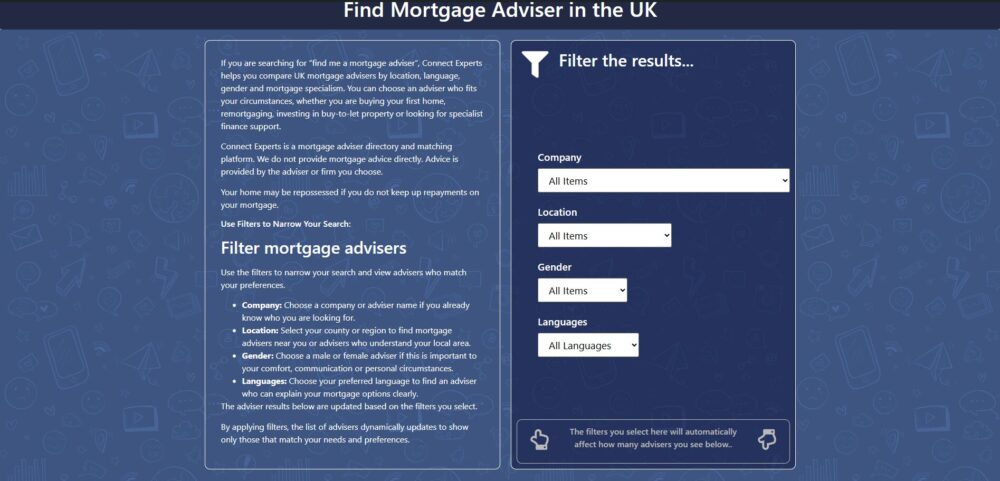
If you prefer to compare advisers by location, language or specialism, you can also use Connect Experts to find mortgage advisers who may support specialist finance enquiries.
Speak to Connect Mortgages About Bridging Loans
A bridging loan should not be rushed simply because the situation feels urgent.
The best bridging cases are prepared quickly, but assessed carefully.
Your home may be repossessed if you do not keep up repayments on your mortgage or loans secured on it.
Some forms of bridging finance, commercial mortgages and business buy-to-let mortgages are not regulated by the Financial Conduct Authority.
Connect Mortgages is a credit broker and not a lender.