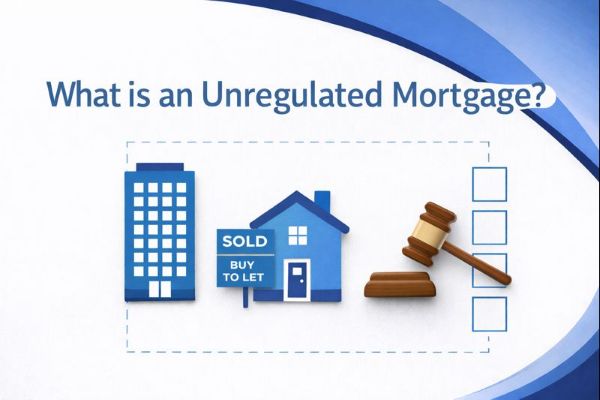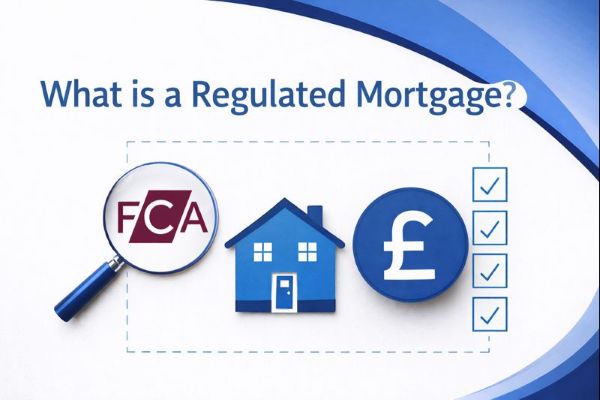

Commercial buy-to-let mortgages are loans secured against commercial properties. They offer a tailored financing solution for limited companies looking to invest in commercial property. The primary aim of these investments is often to acquire properties that can be leased to third parties, including offices, retail outlets, industrial units, and healthcare facilities. This form of lending supports investment goals within a structured financial framework.
These loans are ideal for limited companies seeking to generate rental income from commercial properties. They are more complex than residential mortgages, requiring lenders to gather additional information to assess risk.
Borrowing companies must provide detailed financial statements, business plans, proof of past business success, tax returns, a list of company assets, and a full credit history. Loan terms and rates depend on the amount borrowed and the borrower’s creditworthiness.

Lenders may require a larger deposit compared to residential loans to mitigate risk. They may also insist borrowers offer collateral, such as other properties or assets, to secure the loan.
Repayment terms for commercial buy-to-let mortgages vary by lender. Some lenders may allow interest-only payments, while others may require payments covering both principal and interest. Loan terms are generally longer than those for residential mortgages.
When considering commercial buy-to-let mortgages, consulting financial experts and mortgage brokers familiar with UK lending criteria is essential. This ensures compliance with regulations and optimises borrowing terms for your business needs.
Is a commercial buy-to-let mortgage the best form of investment?
Commercial Buy-to-Let Mortgages in the UK can be an excellent way to generate income and diversify your property portfolio. However, it is important to recognise that this type of investment comes with specific risks and potential rewards. Success in commercial buy-to-let mortgage investments requires thorough research and preparation.

The first step towards a successful investment is understanding the UK market. Analysing the local property market is essential for deciding where and how to invest effectively.
After determining that a commercial buy-to-let mortgage suits your needs, the next step is finding the right lender. The UK offers a wide range of lenders, so comparing them to secure the most competitive terms is vital. It is equally important to know the fees and charges associated with each mortgage product.
Once you have selected a suitable lender, you must carefully review the mortgage terms and conditions. It is essential to examine all paperwork before signing any agreements. Being well-prepared can save both time and money during the loan process by ensuring you fully understand the details of your investment strategy.
What’s the difference between commercial and residential buy-to-let mortgages?
Commercial buy-to-let mortgages are typically used to purchase larger, multi-unit properties such as blocks of flats or HMOs (Houses in Multiple Occupation). These mortgages often involve higher loan amounts and longer repayment periods and may require additional security.
In contrast, residential buy-to-let mortgages are used to purchase single-family homes or smaller rental properties. These mortgages generally involve lower loan amounts and shorter repayment periods and may not require additional security. The primary difference is that residential mortgages cater to individual tenants, whereas commercial buy-to-let mortgages are designed for multiple tenants.

Buy-to-let mortgages usually have higher interest rates and require larger deposits than standard residential mortgages. Lenders may also stipulate that the rental income from the property must be sufficient to cover mortgage payments and associated costs. This requirement ensures investors remain financially stable when securing a buy-to-let mortgage.
It is important to note that lending criteria for buy-to-let mortgages can vary. Therefore, reviewing the terms and conditions of any deal is essential before proceeding. Investors should also assess their financial situation carefully when selecting a mortgage type.
Both residential and commercial buy-to-let mortgages can be profitable investments if managed properly. Understanding the differences between the two is crucial before committing. Conducting thorough research and consulting with a financial adviser can help investors make informed decisions about their buy-to-let mortgage options.
Advantages of commercial buy-to-let mortgages
Commercial mortgages typically offer repayment terms of up to 25 years, making them ideal for large-scale commercial projects. In contrast, bridging finance often features shorter terms, ranging from three months to five years.

Flexible Interest Rates and Repayment Holidays
Commercial mortgage products, including buy-to-let options, are tailored to suit various business needs. They provide flexible repayment plans, allowing borrowers to choose between variable or fixed interest rates. Some products offer repayment holidays, enabling temporary payment breaks when needed.
Key Considerations for Investment Success
Achieving success with a commercial buy-to-let mortgage requires careful evaluation of several important factors. These include understanding rental market trends, complying with local authority regulations, and considering potential tax implications. With a clear grasp of these elements, you can assess whether a commercial buy-to-let mortgage aligns with your investment strategy.
The Role of a Commercial Mortgage Broker
Working with an experienced commercial mortgage broker can simplify the process. Their knowledge and expertise help navigate the complexities of property investment, ensuring you make informed decisions that align with your financial objectives.
Building Long-Term Financial Success
Investors can confidently pursue commercial buy-to-let mortgages by conducting thorough research and detailed planning. These foundational steps lay the groundwork for achieving significant and sustainable financial returns.
Thank you for reading our publication “Commercial Buy-to-Let Mortgages | Smart Investment Strategy.” Stay “Connect“-ed for more updates soon!