
The first-time buyers market is never just about house prices. It is about the point where ambition meets evidence. A buyer may feel ready, but a lender needs proof. Deposit, income, credit history, outgoings and property type all shape what happens next.
For many first-time buyers, the market has improved since the pressure from higher rates eased. However, buying a first home still requires careful planning. A lower rate does not always mean easier approval. A cheaper property does not always mean better affordability. A bigger deposit does not always solve every lender concern.
The real question is more practical.
Can the buyer afford the mortgage, pass lender checks, cover the buying costs and still live safely after completion?
First-Time Buyers Market: Quick Answer
The first-time buyers market describes the part of the housing market made up of people buying their first home.
In the UK, first-time buyers are affected by:
- Deposit size
- Mortgage affordability
- Credit history
- Employment type
- Property price
- Interest rates
- Stamp Duty rules
- Lender criteria
- Legal and moving costs
- Local property supply
Many first-time buyers can start with a 5% deposit, subject to lender criteria. However, the right mortgage depends on the full case, not only the deposit.
If you are planning your first purchase, start with our First-Time Buyer Mortgage guide.
Why First-Time Buyers Matter to the UK Housing Market
First-time buyers are important because they help keep the housing market moving.
When someone buys their first home, they often start a chain. The seller may move to another property. That next seller may also move. One first purchase can therefore support several linked transactions.
However, first-time buyers also face the hardest entry point. They usually need to build a deposit while paying rent. They may not have equity from another property. They may also have limited experience with mortgage documents, solicitor checks and lender requirements.
UK Finance reported that first-time buyer numbers rose by 16.4% in 2024. It also reported that first-time buyer completions increased by 62% year-on-year in the first quarter of 2025. Part of that activity was linked to buyers trying to complete before Stamp Duty changes took effect on 1 April 2025.
That matters because it shows a market with demand but also pressure. Buyers are not only deciding whether to buy. They are deciding when the numbers still make sense.
The Market Has Changed, but the Basics Have Not
The first-time buyers market has changed in three main ways.
Mortgage pricing has become more sensitive to economic news. Lenders may change products quickly when funding costs move. Buyers therefore need to understand that an agreement in principle is not the same as a guaranteed mortgage offer.
Affordability checks remain detailed. Lenders assess income, regular commitments, debt, dependants, credit history and the property itself. Two buyers with the same salary may receive different outcomes because their wider circumstances differ.
Property costs are wider than the purchase price. A buyer may need funds for legal fees, surveys, moving costs, insurance, furnishings and Stamp Duty where payable.
This is why first-time buyers should avoid viewing the market only through headlines. A good market is not always the cheapest market. It is the market where a buyer can move with enough evidence, enough deposit and enough resilience.
How Much Deposit Do First-Time Buyers Need?
Many first-time buyers start by asking whether a 5% deposit is enough.
In some cases, it may be. A 95% loan-to-value mortgage may allow a buyer to purchase with a 5% deposit. For example, a £250,000 property with a 5% deposit would require £12,500 before other costs.
However, lender approval still depends on the full case.
A larger deposit may help because it can reduce the loan-to-value. This may give access to more lenders or better product options. It may also reduce monthly payments.
A lender may ask for a larger deposit if:
- The buyer has credit issues
- The property is unusual
- Income is variable
- The mortgage term is stretched
- The buyer has high monthly commitments
- The purchase is a new-build flat
- The property has valuation concerns
The deposit is the doorway. It is not the whole journey.
How Lenders Assess First-Time Buyer Affordability
Affordability is one of the most important parts of the first-time buyers market.
A lender does not only ask how much you earn. It also asks how stable the income is, how much is already committed, and whether the mortgage remains affordable under its rules.
Lenders may review:
- Basic salary
- Overtime
- Bonuses
- Commission
- Self-employed income
- Credit cards
- Loans
- Student loans
- Car finance
- Childcare costs
- Dependants
- Bank statements
- Credit history
Some lenders may accept income that others ignore. Some may use a higher share of bonus income. Some may treat self-employed income differently.
This is why two lenders can reach different answers on the same buyer.
You can start with the Residential Affordability Calculator before speaking with an adviser.
Mortgage Product Choice for First-Time Buyers
First-time buyers often focus on the lowest rate. That is understandable, but it is not the only factor.
A mortgage product should be judged by the full cost and the buyer’s needs.
Important product features include:
- Initial rate
- Fixed or variable structure
- Product fee
- Valuation fee
- Early repayment charge
- Incentives
- Overpayment rules
- Portability
- Mortgage term
- Monthly payment
A fixed-rate mortgage can help buyers budget because payments remain the same for the fixed term. A tracker or variable rate may rise or fall, creating more uncertainty.
The right choice depends on income, risk tolerance, plans for the property and future flexibility.
First-time buyers should also consider whether they may move, overpay, change jobs or need family support during the mortgage term.
Stamp Duty and First-Time Buyers
Stamp Duty can affect how much cash a buyer needs before completion.
For England and Northern Ireland, first-time buyer relief may apply if the buyer and anyone buying with them are first-time buyers, intend to live in the property as their main residence, and the purchase price is no more than £500,000.
Current rules state that eligible first-time buyers pay:
- 0% on the first £300,000
- 5% on the amount from £300,001 to £500,000
If the purchase price exceeds £500,000, first-time buyer relief does not apply. Standard rates apply to the full price.
Scotland and Wales have different property tax systems, so buyers should check the rules for the country where they are buying.
You can estimate possible costs with the Stamp Duty Calculator.
Why the Property Type Matters
The property matters as much as the buyer.
A lender will assess the home being purchased. This is because the property acts as security for the mortgage.
Some properties may need more checks, including:
- New-build homes
- High-rise flats
- Leasehold flats
- Properties with short leases
- Non-standard construction
- Homes with structural concerns
- Properties near commercial premises
- Shared ownership homes
A buyer may feel comfortable with the property. However, the lender must also be comfortable.
This is why a mortgage offer depends on both affordability and valuation. A buyer can pass the income checks and still face questions about the property.
Credit Files and First-Time Buyer Readiness
A clean credit file can help, but perfection is not always required.
Lenders usually want to see how a buyer manages credit. They may review payment history, credit limits, missed payments, defaults, County Court Judgments and recent applications.
Before applying, first-time buyers should:
- Check their credit reports
- Make sure addresses are correct
- Register on the electoral roll where possible
- Avoid unnecessary credit applications
- Keep overdraft use under control
- Pay bills on time
- Explain older credit issues clearly
Bad credit does not always stop a first-time buyer from getting a mortgage. However, it can affect lender choice, deposit requirements and rates.
The earlier a buyer checks their position, the more time they have to fix issues.
First-Time Buyers and the Rental Pressure
Many first-time buyers are trying to move from renting to ownership.
This can be difficult because rent may limit how quickly a deposit can grow. Buyers may also face rising living costs, which affect monthly affordability.
The decision to buy should therefore be based on more than escaping rent.
A first home should be affordable after completion. Mortgage payments, council tax, insurance, utilities, service charges and maintenance all need space in the budget.
Ownership can bring security, but it also brings responsibility.
The best first-time buyer decisions are usually made with patience, not panic.
Practical Checklist Before Applying
Before applying for a mortgage, first-time buyers should prepare the evidence lenders are likely to request.
Useful documents include:
- Proof of ID
- Proof of address
- Latest payslips
- Bank statements
- Proof of deposit
- Gifted deposit letter, where relevant
- Credit commitment details
- Tax documents, if self-employed
- Details of the property
- Solicitor details, when available
Buyers should also check the likely monthly payment, not just the maximum borrowing figure.
A mortgage that stretches every pound may pass a calculator, but still feels uncomfortable in real life.
For wider mortgage guidance, visit our Residential Mortgage page.
When Should a First-Time Buyer Speak to an Adviser?
A first-time buyer should speak to an adviser before making an offer if possible.
This can help the buyer understand:
- How much they may be able to borrow
- Which lenders may suit their circumstances
- Whether their deposit is enough
- What documents they need
- Whether credit issues may affect the case
- What monthly payments could look like
- Which costs need to be budgeted for
This can also reduce the risk of making an offer that later becomes difficult to fund.
A mortgage adviser can compare lender criteria and explain which options may suit the buyer’s circumstances.
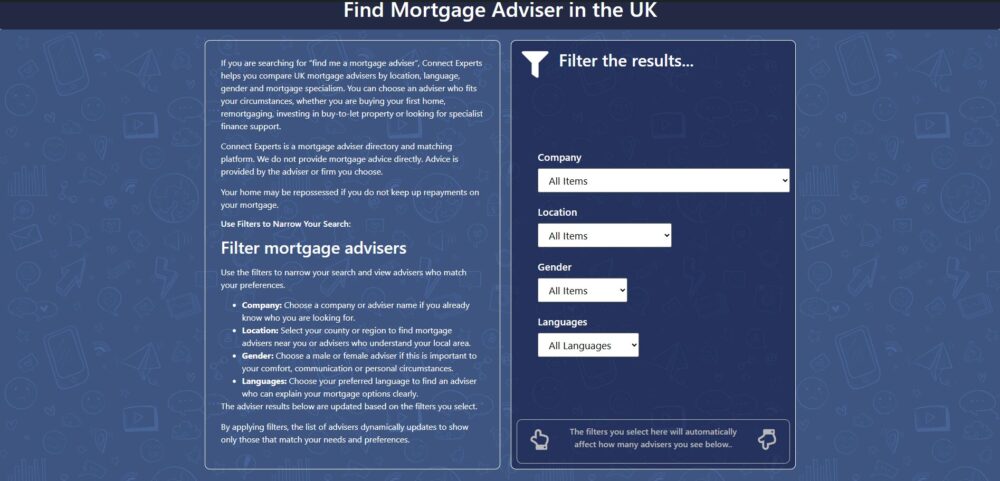
If you want to choose by location, language, or adviser preference, you can search for first-time-buyer mortgage advisers through Connect Experts.
What the First-Time Buyers Market Means Now
The first-time buyers market remains active, but it is not simple.
More buyers may be returning to the market, but affordability still decides who can proceed. Interest rates, lender rules, property prices and tax costs all shape the outcome.
This creates a more thoughtful market.
Buyers need to ask better questions:
- Can I afford this mortgage if costs rise?
- Is the property acceptable to lenders?
- Do I have enough savings after completion?
- Is my credit file ready?
- Have I allowed for Stamp Duty and legal costs?
- Does this mortgage fit my future plans?
A first home is not only a purchase. It is a long-term financial structure.
The strongest buyers are not always the ones with the biggest deposit. They are often the ones who understand the process before they enter it.
Need Help With Your First Mortgage?
Connect Mortgages can help first-time buyers understand their options before applying.
We can review your income, deposit, credit position, property plans and likely lender requirements. This can help you move forward with more confidence and fewer surprises.
You can use Connect Experts to find mortgage advisers across the UK by location, language and mortgage need.
FAQs: First-Time Buyers Market
What is the first-time buyers market?
The first-time buyers market is the part of the housing market made up of people buying their first home. It is affected by deposits, mortgage rates, lender criteria, affordability, property prices and government rules.
Is now a good time to buy as a first-time buyer?
It depends on your deposit, income, credit history, monthly budget and local property market. A good time to buy is when the mortgage is affordable, the property is suitable and you still have savings after completion.
How much deposit does a first-time buyer need?
Some first-time buyers may be able to buy with a 5% deposit, subject to lender criteria. Others may need more, especially if the property, credit history or income position is more complex.
What affects first-time buyer mortgage approval?
Lenders usually assess income, outgoings, deposit, credit history, employment type, debts, age, mortgage term and the property being purchased.
Do first-time buyers pay Stamp Duty?
Some first-time buyers pay no Stamp Duty, but it depends on the property price, location and current rules. England, Scotland, Wales and Northern Ireland use different property tax systems.
Can first-time buyers get a mortgage with bad credit?
Yes, some first-time buyers can get a mortgage with bad credit. However, lender choice, rates and deposit requirements may be affected.
Should first-time buyers use a mortgage adviser?
A mortgage adviser can help first-time buyers understand lender criteria, affordability, product options and the documents needed before applying.