New Home Mortgage Loan: How Buyers May Save Money – Buying a newly built home can feel like buying a promise before it becomes a place.
The walls may be new, the heating system may be modern, and the energy rating may be stronger than many older homes. Yet the mortgage still needs careful thought. A new home mortgage loan is not only about borrowing enough to complete the purchase. It is about understanding how the deposit, lender criteria, property value, EPC rating and running costs all connect.
A cheaper-looking mortgage is not always the cheapest route. The right question is wider: what will this home cost to buy, own, heat, protect and repay?
At a Glance
A new home mortgage loan can help buyers purchase a newly built or recently completed property.
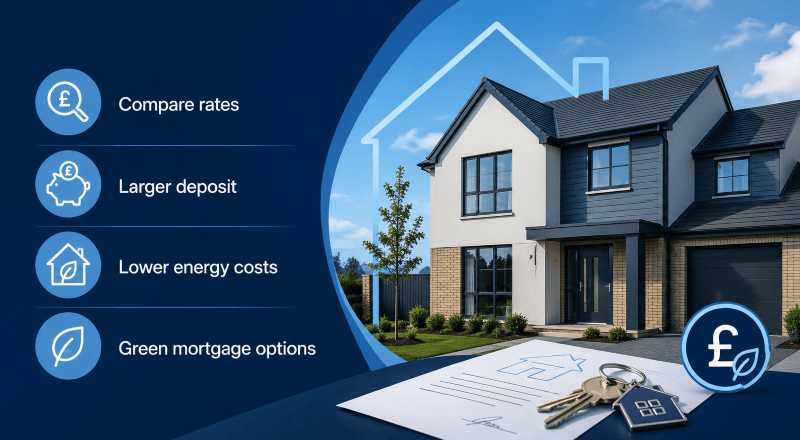
Potential savings may come from:
- A larger deposit and lower loan-to-value
- Comparing mortgage rates, product fees and incentives
- Choosing an energy-efficient property with a strong EPC rating
- Checking whether a green mortgage product is available
- Reducing future repair and energy costs
- Timing the mortgage offer correctly before completion
<BR< The best option will depend on the buyer, the property and the lender’s criteria.
What is a New Home Mortgage Loan?
A new home mortgage loan is a mortgage used to buy a property that is newly built, recently completed or being bought from a developer.
It may be used by a first-time buyer, a home mover or someone buying a more energy-efficient property. The mortgage itself may be a standard residential mortgage, but the lender may look closely at the type of property being purchased.
New-build homes can involve different practical points from older homes. The property may not be fully finished when the buyer reserves it. The completion date may move. The lender may need a valuation based on plans, build stage or final completion. The buyer may also need to check warranty cover, incentives and the expected EPC rating.
For wider help with residential borrowing, see our guide to residential mortgage advice.
Why the Deposit Matters
One of the clearest ways to reduce mortgage costs is to increase the deposit.
The deposit affects the loan-to-value, often called LTV. This is the percentage of the property price being borrowed. A lower LTV usually means the lender is taking less risk. In some cases, this can give the buyer access to a wider choice of mortgage products.
For example, a buyer with a 10% deposit is borrowing 90% of the property value. A buyer with a 20% deposit is borrowing 80%. The second buyer may have more options, depending on lender criteria and market conditions.
A larger deposit may also reduce:
- Monthly repayments
- Total interest over the mortgage term
- The risk of limited product choice
- The effect of short-term property value changes
This does not mean every buyer should delay until they have a larger deposit. Sometimes timing, rent, family needs or house prices matter too. The practical point is that deposit size should be tested against the full cost of ownership, not viewed in isolation.
Why Mortgage Comparison Still Matters
A new home may be modern, but the mortgage still needs proper comparison.
Buyers should look beyond the headline rate. A mortgage with a lower interest rate may have higher product fees. Another deal may have cashback, valuation support or a different early repayment charge. The true cost can depend on how long the buyer expects to keep the product.
A practical comparison should include:
- Interest rate
- Product fee
- Valuation fee
- Cashback or incentives
- Mortgage term
- Early repayment charges
- Standard variable rate after the deal ends
- Flexibility for overpayments
- Completion deadline
This is important for new-build purchases because completion timing can change. A mortgage offer may not last long enough if the build is delayed. Buyers should understand how long the offer is valid and whether the lender may extend it.
First-time buyers can read more in our first-time buyer mortgage guide.
How Energy Efficiency May Reduce Long-Term Costs
A newly built home may be more energy efficient than an older property. This can matter because a mortgage payment is only one part of the monthly cost of home ownership.
Energy-efficient features may include:
- Better insulation
- Modern double or triple glazing
- More efficient heating systems
- Improved ventilation
- Smart heating controls
- Higher building standards
These features may help reduce heating demand and improve comfort. The financial value will vary by property, household use and energy prices. Still, lower running costs can make the overall budget more manageable.
This is where the philosophy of a new home mortgage becomes practical. The mortgage pays for the property, but the property then shapes the household budget for years. A home that costs less to run may support better financial resilience.
What is a Green Mortgage?
A green mortgage is a mortgage product that offers an incentive linked to energy efficiency.
This may include a lower rate, cashback or another benefit. The exact terms depend on the lender. Some products are aimed at buyers of energy-efficient homes. Others support borrowers who improve the energy efficiency of an existing home.
Many green mortgage products use the property’s Energy Performance Certificate (EPC). Some lenders may require an EPC rating of A or B. Others may have their own rules.
The Financial Conduct Authority has explained that green mortgages can support borrowers who buy energy-efficient homes or improve the energy efficiency of existing homes. Read the FCA’s view on green mortgages.
Is a Green Mortgage Always the Cheapest Option?
No. A green mortgage should still be compared against the wider market.
A green mortgage may look attractive if the property qualifies. However, the buyer should still compare the rate, fees, cashback, terms, and restrictions. A standard mortgage could still work out cheaper in some cases.
This is why the decision should not be based on the word “green” alone. The better test is:
Does this mortgage reduce the total cost for this buyer, on this property, at this time?
A buyer should also check that the EPC rating is valid and accepted by the lender. You can check official EPC information through the government’s energy certificate service.
New-Build Mortgage Points Buyers Should Check
A new-build mortgage can involve extra checks before completion.
Important points include:
- Is the property complete or still being built?
- When is the expected completion date?
- How long does the mortgage offer last?
- Will the lender extend the offer if the build is delayed?
- Is there a recognised new-build warranty?
- Are developer incentives being offered?
- Has the lender approved those incentives?
- What EPC rating is expected?
- Will the final valuation match the purchase price?
- Are there estate charges or service charges?
Developer incentives may include contributions towards legal fees, upgrades, cashback or deposit support. These must be disclosed correctly because they may affect the lender’s view of the purchase price and risk.
If you are selling one property and buying another, our moving home mortgage guide may also help.
How a Mortgage Broker Can Help
A mortgage broker can help compare lenders, products and criteria. This can be useful when the property is new, energy-efficient or still under construction.
A broker may help with:
- Comparing standard and green mortgage products
- Checking lender rules for new-build properties
- Understanding deposit and LTV options
- Reviewing EPC-related eligibility
- Checking offer deadlines
- Explaining product fees and cashback
- Comparing total cost, not only the rate
A new home mortgage loan should be judged carefully. The right mortgage is not simply the one that looks cheapest today. It is the one that fits the buyer’s income, deposit, completion timing, property type and long-term plans.
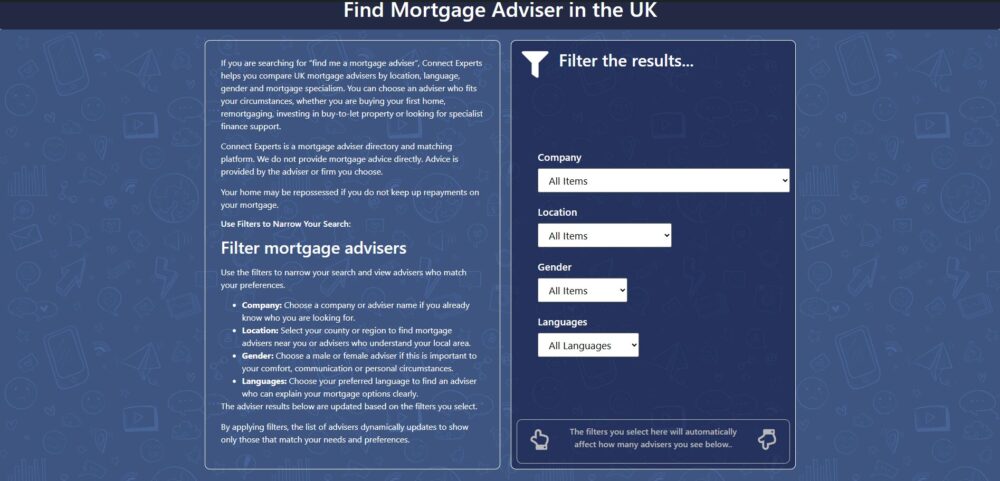
You can also find a residential mortgage adviser through Connect Experts.
How Buyers Can Prepare Before Applying
Before applying for a new home mortgage loan, buyers should gather the right information.
Useful documents and details include:
- Proof of income
- Proof of deposit
- Bank statements
- Credit commitments
- Details of the property
- Reservation agreement
- Expected completion date
- Developer incentive details
- EPC information, if available
- Warranty or guarantee information
Buyers should also test affordability carefully. A new home may reduce some repair or energy costs, but ownership still includes buildings insurance, council tax, utility bills, maintenance, protection and future rate changes.
Our mortgage calculators can help you estimate payments before speaking with an adviser.
Should protection be considered?
A new mortgage is a long-term financial commitment. Buyers should think about how the mortgage would be paid if illness, injury, loss of income or death affected the household.
Protection is not the same as mortgage advice, but it can sit beside it. A suitable protection conversation may include life cover, critical illness cover, income protection or buildings and contents insurance.
You can read more about mortgage protection insurance.
FAQs
What is a new home mortgage loan?
A new home mortgage loan is a mortgage used to buy a newly built, recently completed or developer-sold residential property.
Can a new-build home qualify for a green mortgage?
Yes, some new-build homes may qualify if they meet the lender’s energy-efficiency rules, often linked to the property’s EPC rating.
Is a green mortgage always cheaper?
No. A green mortgage should be compared against standard mortgage products, including rate, fees, cashback and overall cost.
Why does the mortgage offer date matter on a new build?
New-build completion dates can move. If the mortgage offer expires before completion, the buyer may need an extension or a new application.
Can a larger deposit reduce mortgage costs?
A larger deposit may reduce the loan-to-value and could give access to a wider range of mortgage products, depending on lender criteria.