

Regulated Bridging Loans: Costs, Uses and Risks: A bridge only works when both sides are clear.
In property finance, that means knowing where the money is coming from, where it is going, and how it will be repaid. A regulated bridging loan can help when a residential property decision cannot wait for a normal mortgage timescale.
This may happen when you want to buy a new home before your current home is sold. It may also happen when a chain is delayed, a completion date is fixed, or a short-term funding gap needs a clear repayment plan.
Regulated bridging loans are not designed to be long-term borrowing. They are short-term loans secured against residential property. Because they can place your home at risk, the advice, affordability checks and exit strategy all matter.
Speak to Connect Mortgages about regulated bridging finance
Regulated Bridging Loans in a Glance
A regulated bridging loan is short-term finance secured against a property you live in, intend to live in, or that meets residential use rules.
It may help when:
- You want to buy before selling your current home.
- A property chain has slowed down.
- You need to complete a residential purchase quickly.
- You have a clear sale or remortgage exit.
- Standard mortgage timing does not fit the deadline.
The key points are simple:
- The loan is usually short-term.
- The interest rate is usually higher than that of a standard mortgage.
- The lender will assess the property, your circumstances and your exit route.
- You must show how the loan will be repaid.
- Your home may be repossessed if you do not keep up repayments.
What Is a Regulated Bridging Loan?
A regulated bridging loan is a short-term loan secured against residential property that is subject to UK mortgage regulation.
In practical terms, this often applies when the loan is secured on a home you live in, plan to live in, or that is connected to residential use by you or a close family member.
The Financial Conduct Authority explains regulated mortgage contracts through rules that include lending to an individual or trustees, secured on UK land, where at least 40% is used, or intended to be used, as a dwelling. You can read the FCA definition of a regulated mortgage contract.
That regulatory point is important. It means the loan is not judged only by speed. It must also be judged by suitability, affordability, disclosure and risk.
When Might a Regulated Bridging Loan Be Used?
A regulated bridging loan may be considered when the property need is real, time-sensitive and short term.
Common uses include:
- Buying a new home before selling your current home.
- Preventing a property chain from collapsing.
- Completing on a residential purchase where timing is tight.
- Downsizing before the sale proceeds are available.
- Raising short-term funds while a remortgage is being arranged.
- Moving for family, work or personal reasons before a sale completes.
This type of finance should not be used simply because it feels convenient. It should have a clear purpose, a realistic timescale and a credible exit.
For broader short-term property finance, you can also read our guide to bridging loans.
How Regulated Bridging Loans Work
A regulated bridging loan provides short-term borrowing secured against property.
The lender usually looks at:
- The property value.
- The amount you want to borrow.
- Your existing mortgage balance.
- Your income and commitments.
- The loan term.
- The exit strategy.
- The legal title.
- The valuation report.
- Any existing charges on the property.
The loan may be arranged as a first charge or second charge.
A first charge bridging loan is usually secured as the main loan against the property. This may happen when there is no existing mortgage or when the existing loan is being repaid.
A second charge bridging loan sits behind an existing mortgage. This may help when you want to keep your current mortgage in place. However, the existing lender may need to consent.
If you are considering borrowing while keeping your current mortgage, compare this carefully with second charge mortgages.
What Makes the Loan “Regulated”?
The word “regulated” does not mean risk-free.
It means the loan falls within UK mortgage regulation because of the borrower, the property, or how the property is used.
A regulated bridging loan may apply where:
- The borrower is an individual.
- The loan is secured against UK residential property.
- The property is used, or intended to be used, as a dwelling.
- The required residential-use threshold is met.
- The loan is not purely commercial or business-only borrowing.
This matters because the advice process should be clearer. The lender and adviser must consider suitability, affordability and disclosure.
The borrower should understand the cost, the risks, the repayment plan and what happens if the exit does not happen on time.
Regulated vs Unregulated Bridging Loans
The difference is not just paperwork.
A regulated bridging loan normally relates to residential property used by the borrower or their family. An unregulated bridging loan often relates to business, investment, commercial or buy-to-let purposes.
Here is the practical difference:
| Area | Regulated bridging loan | Unregulated bridging loan |
|---|---|---|
| Typical property use | Home or intended home | Investment, commercial or business |
| Borrower type | Usually individual borrowers | Individuals, companies or investors |
| Advice focus | Suitability and consumer protection | Commercial purpose and property risk |
| Main concern | Can the borrower repay safely? | Does the transaction and exit work? |
| Common exit | Sale or residential remortgage | Sale, refinance, development exit or investment finance |
Some cases sit close to the boundary. For example, mixed-use property, family occupation, company ownership or investment plans can change how the case is treated.
That is why the first question should not be “How fast can I get the money?” It should be “What type of loan is this, and what rules apply?”
Why the Exit Strategy Matters
The exit strategy is the planned way to repay the loan.
This is one of the most important parts of a regulated bridging loan. Without a credible exit, the loan may create pressure instead of solving a problem.
Common exit routes include:
- Sale of the existing property.
- Sale of another property.
- Remortgage to a standard residential mortgage.
- Downsizing proceeds.
- Confirmed funds from another source.
The lender will want evidence. A property listed for sale, a sale agreed, a mortgage agreement in principle, solicitor updates or proof of funds may all help.
The stronger the exit, the stronger the case.
How Much Can You Borrow?
The amount you can borrow depends on the property’s value, existing borrowing, loan-to-value ratio, affordability, and the exit strategy.
Bridging lenders may look at the gross loan amount, net loan amount, interest, fees, and legal costs. This matters because rolled-up interest and fees can reduce the amount you receive.
Before applying, it may help to test rough figures using the bridging loan calculator. A calculator is only a guide, but it can help you understand how term, loan size and interest may affect the total cost.
What Costs Should You Consider?
Regulated bridging loans can cost more than standard residential mortgages because they are short-term, specialist loans.
Costs may include:
- Monthly interest.
- Rolled-up interest.
- Arrangement fees.
- Valuation fees.
- Legal fees.
- Broker fees.
- Exit fees, where charged.
- Administration fees.
- Telegraphic transfer fees.
- Early repayment charges, where applicable.
Some lenders allow interest to be rolled up. This means you do not make monthly interest payments during the term. Instead, the interest is added to the loan and repaid at the end.
This can support cash flow, but it also increases the final repayment amount.
Other lenders may allow serviced interest. This means you pay the interest monthly. That can reduce the final balance, but the lender must be comfortable that the payments are affordable.
How Long Does a Regulated Bridging Loan Last?
Regulated bridging loans are usually short-term.
The term may depend on the lender, the case and the exit route. Many cases are arranged for several months, although some may run longer.
The term should match the purpose. A sale-based exit may require sufficient time for marketing, conveyancing, and completion. A remortgage exit may need time for underwriting, valuation and legal work.
A short term can reduce cost, but it can also create pressure. A longer term can give more breathing space, but it may increase the total cost.
The right term is not the fastest one. It is the one that gives the exit strategy a fair chance to work.
What Documents May Be Needed?
The documents will depend on the lender and the case.
You may need:
- Proof of identity.
- Proof of address.
- Mortgage statement.
- Bank statements.
- Proof of income.
- Property details.
- Existing sale details.
- Estate agent memorandum of sale.
- Solicitor details.
- Evidence of deposit.
- Details of the exit strategy.
- Credit commitments.
- Buildings insurance details.
For a remortgage exit, the lender may ask for evidence that a standard mortgage is likely to be available.
If income is complex, documents may need more care. This can apply to self-employed income, company directors, contractors, bonus income or multiple income sources.
What Are the Main Risks?
A regulated bridging loan can help solve a timing problem, but it can also create risk.
The main risks include:
- The property sale takes longer than expected.
- The remortgage exit is declined.
- The property valuation is lower than expected.
- Costs are higher than planned.
- Interest rolls up and increases the final balance.
- The loan reaches the end of term before the exit completes.
- Your home may be repossessed if the loan is not repaid.
This is why advice should focus on the full journey, not just the approval.
The loan is the bridge. The exit is the other side.
Regulated Bridging Loan Example
A homeowner wants to buy a new home for £500,000.
Their current home is worth £420,000 and is on the market. They have a mortgage balance of £180,000. Their buyer is delayed, but the onward purchase must complete soon.
A regulated bridging loan may help fund the purchase before the sale completes.
The lender will review:
- The current home value.
- The new home value.
- Existing mortgage balance.
- Deposit available.
- Sale position.
- Income and commitments.
- Credit profile.
- Solicitor readiness.
- Exit route from the current property sale.
If the current home sells as expected, the sale proceeds can repay the bridge.
If the sale does not complete, the borrower needs a backup plan. That may include reducing the asking price, extending the term if possible, or refinancing. None of these should be assumed.
Is a Regulated Bridging Loan Better Than a Residential Mortgage?
Not usually.
A standard residential mortgage is often more suitable for long-term home ownership. It usually has lower interest and a longer repayment period.
A regulated bridging loan may be useful when timing prevents a standard mortgage from solving the problem.
For example, a standard mortgage may not complete quickly enough. A property chain may delay funds. A sale may be close, but not complete.
If your needs are not short-term, a standard residential mortgage may be more suitable.
Is a Regulated Bridging Loan Right for You?
A regulated bridging loan may be worth exploring if:
- You have a clear residential property goal.
- The need is short-term.
- The exit route is realistic.
- You understand the total cost.
- You have compared other options.
- You can manage the risk if the sale or refinance is delayed.
It may not be suitable if:
- There is no clear repayment plan.
- The property sale is uncertain.
- You need long-term borrowing.
- The costs would leave too little equity.
- You are relying on a future event that is not likely.
- You do not fully understand the risk to your home.
Good advice should not push you toward speed. It should help you decide whether speed is worth the cost.
How Connect Mortgages Can Help
Connect Mortgages can help you understand whether regulated bridging finance may fit your circumstances.
An adviser can review:
- Why you need the loan.
- Whether the case is regulated.
- How much you may need.
- The likely costs.
- The property security.
- The exit strategy.
- The lender options.
- The risks if the exit is delayed.
- Whether another route may be better.
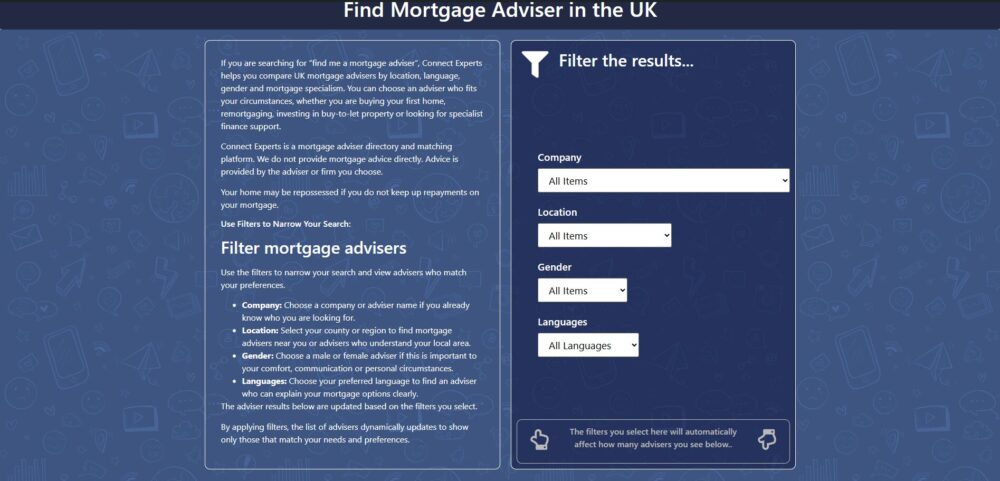
If you prefer to choose an adviser by location, language or specialist area, you can search through Connect Experts for a residential bridging loan adviser.
Before You Apply
Before applying for a regulated bridging loan, ask these questions:
- What problem is the loan solving?
- Is the property residential, mixed-use or investment-led?
- Is the loan regulated or unregulated?
- What is the exact repayment route?
- What evidence supports the exit?
- What happens if the exit is delayed?
- What is the total cost over the full term?
- Will interest be serviced or rolled up?
- Are there exit fees?
- Could a remortgage or second charge be better?
These questions protect the borrower from treating short-term finance as a simple shortcut.
A bridge should not hide the gap. It should make the gap visible enough to cross safely.
Speak to a Regulated Bridging Loan Adviser
Regulated bridging loans can be useful when the timing of residential property purchases becomes difficult. They can help buyers move, protect a chain, or complete it before a sale finishes.
However, they should be used with care.
The right advice should explain the regulation, the costs, the risks and the exit route before you proceed.
Find a bridging loan mortgage broker through Connect Experts
FAQ: Regulated Bridging Loans
What is a regulated bridging loan?
A regulated bridging loan is short-term finance secured against residential property where UK mortgage regulation applies. It is often used when someone needs to buy, move or raise funds before a sale or remortgage completes.
When is a bridging loan regulated?
A bridging loan may be regulated when it is secured on a property used, or intended to be used, as a dwelling by the borrower or a close family member. The exact position depends on the borrower, property use and legal structure.
Can I use a regulated bridging loan to buy before selling?
Yes, this is one of the common uses. The loan may help you buy a new home before your existing property sale completes. The sale proceeds are often used as the exit route.
How is a regulated bridging loan repaid?
It is usually repaid through a property sale, remortgage or another agreed source of funds. The lender will want to understand the exit before approving the loan.
Are regulated bridging loans expensive?
They can be more expensive than standard residential mortgages. Costs may include interest, arrangement fees, valuation fees, legal fees and broker fees. The total cost matters more than the headline rate.
Can interest be rolled up?
Some lenders allow interest to be rolled up. This means it is added to the loan and paid at the end. This may help monthly cash flow, but it increases the final repayment amount.
What happens if my property does not sell?
If the sale does not complete in time, you may need to extend, refinance or find another repayment route. This can increase cost and risk. Your home may be repossessed if the loan is not repaid.
Is a regulated bridging loan the same as a mortgage?
No. It is secured borrowing, but it is short-term finance. A standard residential mortgage is usually designed for long-term home ownership.
Can I get a regulated bridging loan with an existing mortgage?
Possibly. The loan may be arranged as a second charge behind your existing mortgage, if the lender and existing mortgage provider allow it. The available equity and affordability will be important.
Do I need advice for a regulated bridging loan?
Yes, advice is important because the loan is secured against property and can carry significant risk. A qualified adviser can help compare options, explain costs and check whether the exit route is realistic.
Important Risk Warning
Your home may be repossessed if you do not keep up repayments on your mortgage or loans secured on it.
Connect Mortgages is a trading style of Connect IFA Ltd, which is authorised and regulated by the Financial Conduct Authority. A fee may be payable for arranging your mortgage. Your adviser will confirm the amount before you proceed.