
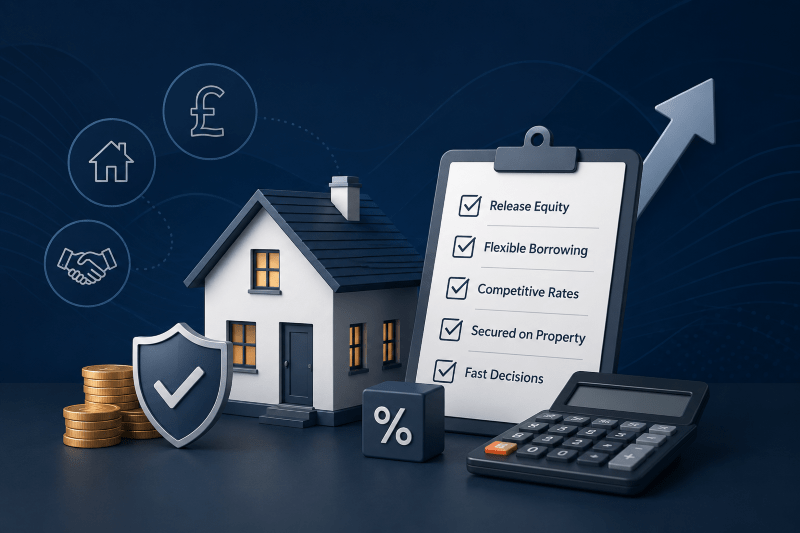
The Second Charge Mortgage Market – In 2023, the second charge mortgage market became more important for homeowners who needed extra borrowing but did not want to replace their main mortgage.
The market was shaped by higher interest rates, tighter affordability checks, cost-of-living pressure and the value of existing mortgage deals.
A second charge mortgage did not suit every homeowner. However, it gave some borrowers a way to raise funds while keeping their first mortgage in place.
The key lesson from 2023 was simple. Borrowing decisions were no longer just about access to money. They were about structure, timing, cost, risk and long-term affordability.
What the 2023 Second Charge Mortgage Market Showed
The second charge mortgage market in 2023 reflected a careful borrowing environment.
Many homeowners had built equity in their property. However, replacing an existing mortgage was not always attractive. Some borrowers were on older fixed rates. Others faced early repayment charges. Some needed extra funds but did not want to disturb their first mortgage.
This is where second charge mortgages became relevant.
A second charge mortgage allows a homeowner to borrow against property equity while keeping the existing mortgage in place. The first mortgage remains the primary loan. The new loan sits behind it as a second legal charge.
That structure matters. It explains why the product can be useful and why advice is important.
In 2023, the decision was rarely just “can I borrow?” The better question was “what is the safest structure for borrowing?”
Market Research: What the Data Suggested
The 2023 market showed lower demand than the previous year, but continued use of second charge mortgages for practical borrowing needs.
The Finance & Leasing Association reported that March 2023 saw the highest level of second charge new business so far that year. However, new business volumes were still lower than in the same month in 2022.
This showed that the market had not disappeared. Instead, it had become more selective.
For homeowners, that selectivity mattered. Higher borrowing costs made the purpose of the loan more important. Lenders, brokers and borrowers had to look more closely at affordability, loan purpose, repayment plans and overall risk.
By the end of 2023, FLA data showed annual second charge mortgage volumes were lower than in 2022. The market still supported more than 30,000 new agreements, but in a more cautious lending climate.
Read the Finance & Leasing Association’s 2023 second charge mortgage data here: second charge mortgage new business volumes fell by 10% in March 2023.
Before Taking Out a Second Mortgage, You Should Consider Some Essential Factors

Before taking out a second mortgage, consider if you can obtain a further advance on your current mortgage first. Additionally, it is strongly advised that you consult a knowledgeable mortgage broker beforehand.
Finding a loan tailored to your unique needs and financial background doesn’t have to be daunting; our qualified professionals can make it much more straightforward. Moreover, as required by the Financial Conduct Authority (FCA), we ensure that all our services comply with strict rules for your protection.
If you choose to avoid getting formal advice, you risk taking out an unsuitable loan for your circumstances. If this happens, you might need help to make a successful complaint.
When you’re looking into a second mortgage, make sure you:
- To ensure you get the most competitive rate and terms, take some time to shop around and compare lenders’ APRCs (annual percentage rate of charge), loan durations, and total repayment costs.
- Uncover the exact mortgage provisions, fees, prepayment penalties and interest rates.
Why Homeowners Looked at Second Charge Mortgages
Many borrowers in 2023 were not looking for complicated finance. They were looking for a practical answer to a difficult question.
How do you raise funds without giving up a mortgage deal that still works?
A second charge mortgage could be considered when:
- The existing mortgage rate was worth keeping.
- Early repayment charges made remortgaging expensive.
- The current lender would not offer suitable further borrowing.
- The borrower wanted to keep extra borrowing separate.
- The loan purpose needed specialist lender assessment.
- A remortgage would increase the cost of the full mortgage balance.
For a broader service-led explanation, read Second Charge Mortgages.
What Borrowers Used Second Charge Mortgages For

Second charge borrowing was often linked to practical household decisions. Common uses included debt consolidation, home improvements, property works, family support, business needs, tax bills and large one-off costs.
However, the loan purpose was not just a formality. It shaped the advice process.
Debt consolidation needed careful thought because unsecured debt could become secured against the home. Home improvements needed realistic budgets. Business use needed clear repayment planning. Family support still needed affordability checks.
A second charge mortgage may solve a funding problem. Yet it can also create a larger secured debt. That is why the purpose of the loan should always be examined before the product is chosen.
The Technical Structure of a Second Charge Mortgage
A second charge mortgage is secured against a property that already has a mortgage.
The existing mortgage remains in place. The second charge lender registers a separate legal charge behind the first mortgage lender.
This order affects lender risk. If the property is sold after default, the first charge lender is usually repaid first. The second charge lender is repaid after that.
Because of this, second charge mortgage rates can be higher than first mortgage rates.
The borrower will usually have two secured monthly payments:
- The existing first mortgage payment.
- The new second charge mortgage payment.
Affordability is assessed across both commitments. Lenders may consider income, outgoings, credit profile, equity, property value, mortgage conduct, loan purpose and repayment term.
Second Charge Mortgage vs Remortgage in 2023
In 2023, this comparison became especially important.
A remortgage may replace the whole existing mortgage. That can be useful when the current deal is ending or the new overall terms are better.
However, a remortgage can be less attractive if the borrower would lose a lower fixed rate. It may also trigger early repayment charges.
A second charge mortgage does not replace the first mortgage. It adds a separate loan secured against the same property.
That can make sense when the existing mortgage should remain untouched.
However, it does not mean the second charge route is always cheaper. The total cost depends on the rate, fees, term, repayment type and the cost of any alternative route.
For a direct comparison, read Remortgage vs Second Charge Loan.
What Taught Borrowers About Risk

The 2023 market showed that borrowing decisions should not be rushed.
A second charge mortgage can be useful, but it is still secured borrowing. If repayments are not maintained, the home may be at risk.
This does not mean the product should be avoided. It means the decision should be structured properly.
Before taking a second charge mortgage, borrowers should consider:
- The reason for borrowing.
- The amount needed.
- The monthly payment.
- The total repayment cost.
- The impact on household budget.
- The term of the loan.
- Any fees added to the balance.
- Whether a remortgage would be better.
- Whether a further advance is available.
- Whether unsecured borrowing is more suitable.
Use Mortgage Calculators to understand repayment and affordability basics before seeking advice.
Further Advance vs Second Charge Mortgage
A further advance is extra borrowing from the existing mortgage lender.
This can sometimes be simpler than using a separate second charge lender. However, it depends on the current lender’s criteria, rates and appetite for the loan purpose.
A further advance may be considered before a second charge mortgage. Yet it may not always be available or suitable.
Some lenders may decline extra borrowing due to affordability, credit profile, loan purpose or property type. Others may offer terms that are less suitable than a second charge option.
The right route depends on the borrower’s full position, not one headline rate.
For more background, read Further Advance.
Why Affordability Was Central
Affordability was one of the main themes in the 2023 mortgage market.
Higher rates changed the way borrowers approached extra borrowing. Monthly payments carried more weight. Lenders needed to test whether borrowers could manage both the first mortgage and the second charge loan.
This was especially important for debt consolidation.
A lower monthly payment can look attractive. However, spreading debt over a longer term may increase the total amount repaid. It may also move unsecured borrowing onto the home.
That changes the risk.
The Bank of England’s 2023 mortgage statistics showed a weaker wider mortgage market, with lower gross advances and lower new mortgage commitments by Q4 2023. You can read the Bank of England release here: Mortgage Lenders and Administrators Statistics: 2023 Q4.
Debt Consolidation in the 2023 Market
Debt consolidation was one of the most important uses of second charge borrowing in 2023.
This reflected the wider pressure on household finances. Higher living costs, credit commitments and mortgage payment changes meant some borrowers wanted to bring debts into one place.
That can help with monthly budgeting in some cases.
However, it must be treated carefully.
Consolidating debt into a second charge mortgage may reduce monthly payments. Yet it can increase the total amount repaid if the term is longer. It can also secure previously unsecured debt against the home.
That is why the advice process should examine the cause of the debt, not only the size of the payment.
UK Finance reported rising mortgage arrears during 2023, linked to cost-of-living pressures and higher interest rates. Read the UK Finance update here: Mortgage arrears and possessions Q3 2023.
Home Improvements and Property Works
Home improvements were another common reason for second charge borrowing. Some homeowners chose to improve rather than move. Higher mortgage rates and moving costs made this decision more understandable.
A second charge mortgage could help fund an extension, loft conversion, kitchen project, structural work or other property improvements.
However, the numbers still needed care.
Before borrowing for home improvements, consider:
- Whether the budget is realistic.
- Whether planning permission is needed.
- Whether a contingency has been added.
- Whether the work improves long-term use.
- Whether the loan term matches the benefit.
- Whether the monthly payment remains affordable.
Property work can add value. Yet value is not guaranteed. The borrowing decision should stand even if the property does not rise in value.
Raising Capital Without Replacing the Main Mortgage
The strongest practical use of a second charge mortgage in 2023 was raising capital without replacing the main mortgage.
This mattered because many borrowers did not want to disturb an existing rate.
A borrower may have needed £25,000, £50,000 or more. Yet replacing a full mortgage balance to access that amount could have increased the cost of the entire loan.
A second charge mortgage allowed the extra borrowing to sit separately.
That separation is the product’s main technical strength. It is also the reason proper comparison is needed.
To explore this route further, read Raising Capital Using a Second Charge.
When a Second Charge Mortgage May Not Be Suitable
A second charge mortgage may not be suitable if the borrower cannot afford two secured payments.
It may also be unsuitable if a cheaper further advance is available, if remortgaging is clearly better, or if the borrowing purpose is unclear.
It may not be suitable where debt consolidation does not solve the underlying financial issue.
This is where good advice matters. The product should not be used simply because equity exists. Equity is not income. It is security.
The question is not only whether the home has enough value. The question is whether the borrower can maintain the commitment.
How Advice Fits the 2023 Market
The 2023 market made advice more important because the choices were not simple.
A borrower could compare several routes:
- Second charge mortgage.
- Remortgage.
- Further advance.
- Personal loan.
- Bridging finance.
- Waiting until the current mortgage deal ends.
Each option has different costs and risks.
A mortgage adviser can compare lender criteria, affordability, fees, repayment terms and the wider effect on the borrower’s mortgage position.
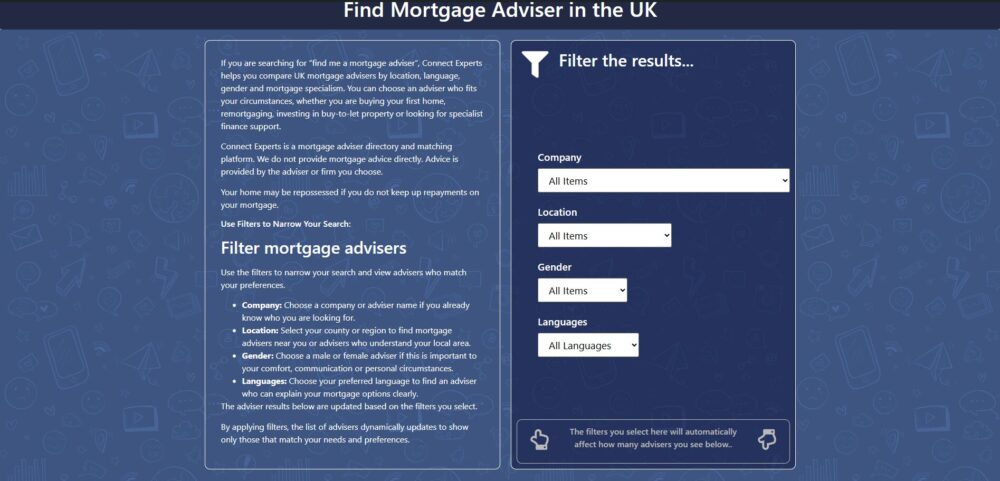
If you want to search by location, language or adviser preference, use the Second Charge Mortgage Adviser Search.
You can also search more widely through Find a Mortgage Adviser Near You.
FAQs
What was happening in the second charge mortgage market in 2023?
The 2023 second charge mortgage market became more cautious as interest rates, affordability checks and cost-of-living pressures affected borrower decisions. Many homeowners considered second charge borrowing because they wanted to raise funds without replacing their main mortgage.
Why did homeowners consider second charge mortgages in 2023?
Homeowners considered second charge mortgages when they wanted to keep an existing mortgage deal, avoid early repayment charges, or borrow extra funds separately from their first mortgage.
Was debt consolidation common in the 2023 second charge market?
Yes. Debt consolidation was one of the main reasons borrowers used second charge mortgages in 2023. However, it needed careful advice because unsecured debts could become secured against the home.
Is a second charge mortgage cheaper than remortgaging?
Not always. A second charge mortgage may help preserve an existing mortgage rate, but the second charge rate may be higher. The best option depends on the full cost, fees, term, early repayment charges and affordability.
Does a second charge mortgage replace my current mortgage?
No. A second charge mortgage usually runs alongside your current mortgage. Your first mortgage remains in place, and the second charge loan is secured behind it.
What is the main risk of a second charge mortgage?
The main risk is that the loan is secured against your property. Your home may be repossessed if you do not keep up repayments on your mortgage or any loan secured on it.
Should I get advice before taking a second charge mortgage?
Yes. Advice can help compare second charge mortgages with remortgaging, further advances and other borrowing options. It can also help assess affordability, loan purpose and long-term cost.
Risk Warning
Your home may be repossessed if you do not keep up repayments on your mortgage or any loan secured on it.
Think carefully before securing other debts against your home. Consolidating debt may reduce monthly payments, but it may increase the total amount repaid over the full term.