
The Challenges of Homeownership for First-Time Buyers: Buying your first home is often a milestone. Yet, for many first-time buyers, it can feel more like a test of patience, planning and judgement.
The challenge is not only finding a property. It is understanding how your deposit, income, credit history, mortgage criteria, legal costs and future bills all connect.
A first home is a financial product, a legal purchase and a long-term responsibility. That is why the best first-time buyer decisions are rarely rushed. They are built carefully, one practical step at a time.
At a Glance
The main challenges of homeownership for first-time buyers are affordability, saving a deposit, meeting lender criteria, understanding mortgage costs and preparing for the ongoing cost of owning a home.
A first-time buyer may also need to think about:
- Mortgage affordability
- Credit history
- Deposit size
- Interest rates
- Legal fees
- Survey costs
- Stamp Duty
- Buildings insurance
- Monthly bills
- Repairs and maintenance
- Future financial changes
The challenge is not only getting approved for a mortgage. It is making sure the mortgage remains manageable after completion.
Why First-Time Buyers Face More Than One Challenge
Homeownership is not one decision. It is a chain of decisions.
A buyer may start by asking, “Can I get a mortgage?” However, the better question is often, “Can I own this home safely, affordably and responsibly?”
This matters because a mortgage application considers more than just income. Lenders assess deposits, outgoings, debts, credit history, employment type, and the property itself.
Therefore, a first-time buyer should not treat the mortgage as separate from the rest of their life. Childcare costs, car finance, student loans, subscriptions and credit card balances can all affect affordability.
For a more detailed guide to the mortgage side of buying your first home, read our First-Time Buyer Mortgage page.
The Deposit Challenge
Saving a deposit is often the first visible barrier.
Many first-time buyers focus on the property price first. However, the deposit decides how much of that price must be funded upfront.
Some buyers may be able to buy with a smaller deposit, subject to lender criteria. The UK Government’s permanent Mortgage Guarantee Scheme was introduced to support homebuyers with deposits as small as 5%, where eligible.
A small deposit can help a buyer move sooner. However, it can also mean fewer lender options, higher monthly payments or tighter affordability checks.
A larger deposit may improve choice. Yet, waiting too long to save more can also create risk if property prices, rent or living costs change.
This is why deposit planning should be practical, not emotional.
Ask these questions early:
- How much deposit do I have now?
- Is any deposit gifted?
- Can the source of deposit be evidenced?
- Do I need money left after completion?
- Will using all savings leave me exposed?
A deposit opens the door. It should not empty the safety fund.
The Affordability Challenge
Affordability is where many first-time buyers meet the technical side of mortgage lending.
A lender does not only ask how much you earn. It also considers how much you spend, how stable your income is and what commitments already exist.
This can include:
- Loans
- Credit cards
- Car finance
- Childcare
- Student loans
- Dependants
- Regular subscriptions
- Existing rent
- Overtime, bonus or commission income
- Self-employed income
Two buyers with the same salary may receive different borrowing outcomes. This happens because lenders use different affordability models.
Therefore, guessing can be risky. A buyer may look affordable on paper but still fail a lender’s internal assessment.
Use the Residential Affordability Calculator to get an early indication before you start viewing homes seriously.
The Mortgage Criteria Challenge
A first-time buyer mortgage is not approved by desire alone. It is approved through criteria.
Lender criteria can include:
- Minimum deposit
- Employment type
- Income evidence
- Credit score
- Credit history
- Property type
- Age
- Mortgage term
- Loan-to-income limits
- Bank statement conduct
Some buyers find this surprising. They may have a good income but limited credit history. Others may have a strong deposit but recent missed payments.
Self-employed buyers may face extra checks. A lender may ask for tax calculations, tax year overviews, accounts and business bank statements.
The challenge is not always the situation itself. It is matching that situation to the right lender.
This is where advice can reduce wasted applications.
The Credit History Challenge
Credit history can shape lender choice.
A first-time buyer may have never missed a payment. However, they may still have a thin credit file because they have not used much credit before.
Other buyers may have older issues, such as missed payments, defaults or debt arrangements.
Lenders usually care about:
- What happened
- When it happened
- How much it involved
- Whether it has been settled
- Whether the pattern has improved
A poor credit history does not always stop a buyer. However, it may affect the required deposit, lender choice, and available rate.
The practical step is simple. Check your credit file early and correct errors before applying.
The Upfront Cost Challenge
The deposit is not the only upfront cost.
First-time buyers may also need to budget for solicitor fees, search fees, valuation fees, survey costs, mortgage arrangement fees, moving costs and essential furniture.
MoneyHelper explains that buying a home can involve several costs beyond the deposit, including mortgage fees, moving costs and running costs.
This is where some buyers become stretched. They save the deposit but underestimate the cost of completing the purchase.
Plan for:
- Conveyancing fees
- Searches
- Valuation fees
- Survey fees
- Mortgage product fees
- Broker fees, where applicable
- Removal costs
- Basic furniture
- Repairs after moving
- Buildings insurance
A first home should begin with confidence, not financial exhaustion.
The Stamp Duty Challenge
Stamp Duty can affect how much money a buyer needs before completion.
The rules depend on where the property is located and the buyer’s circumstances. England, Northern Ireland, Scotland and Wales use different property tax systems.
First-time buyer relief may apply in England and Northern Ireland if the buyer meets the rules. However, the position can change, so buyers should always check before making an offer.
You can estimate possible costs with our Stamp Duty Calculator.
The Monthly Payment Challenge
Many first-time buyers focus on getting the mortgage offer. However, the deeper challenge begins after completion.
A mortgage payment becomes part of everyday life. It sits beside council tax, utilities, food, travel, insurance and maintenance.
A fixed-rate mortgage can help with budgeting because the payment stays the same during the fixed period. However, it does not remove every risk.
A buyer still needs to think about:
- What happens when the fixed rate ends
- Whether income could fall
- Whether bills could rise
- Whether repairs could appear
- Whether family circumstances may change
Homeownership asks a serious question. Can this home still work when life changes?
The Repairs and Maintenance Challenge
Renters often call the landlord when something breaks. Homeowners usually call a tradesperson and pay the bill.
That shift can feel small until the first repair arrives.
A boiler issue, roof leak, damp problem or electrical fault can quickly affect savings. This is why a first-time buyer should avoid using every pound on the deposit and completion costs.
A basic emergency fund can make early homeownership feel more secure.
Before buying, think about:
- Property age
- Roof condition
- Heating system age
- Windows and insulation
- Signs of damp
- Leasehold service charges
- Planned building works
- Survey findings
A survey is not just a formality. It can help show the future cost of owning the property.
The Insurance and Protection Challenge
A mortgage creates a long-term financial commitment. That commitment may continue even if income changes.
Buildings insurance is usually required by mortgage lenders. Contents insurance, life cover, critical illness cover and income protection may also be worth discussing.
Protection is not about expecting something to go wrong. It is about asking how the mortgage would be managed if illness, injury, death or loss of income affected the household.
You can read more about this on our Mortgage Protection Insurance page.
The Emotional Challenge of Buying a First Home
First-time buyers often carry two feelings at once.
There is excitement about owning a home. There is also pressure because the decision feels permanent.
This can lead to rushed offers, stretched budgets or choosing a property because it feels like the only chance.
A calmer approach usually works better.
Before offering on a property, ask:
- Does the monthly payment feel realistic?
- Have I included all ownership costs?
- Do I understand the mortgage product?
- Have I checked the property condition?
- Do I have money left after completion?
- Would I still buy this home if rates changed later?
A home should support life. It should not quietly consume it.
How First-Time Buyers Can Reduce the Challenges
The challenges of homeownership cannot always be removed. However, they can be understood, planned for and reduced.
A practical first-time buyer plan may include:
- Checking your credit file early
- Building a deposit plan
- Keeping evidence of savings
- Reviewing regular spending
- Getting an affordability estimate
- Preparing payslips or tax documents
- Budgeting for fees and moving costs
- Understanding Stamp Duty
- Reviewing insurance needs
- Speaking to an adviser before applying
This approach turns the process from guesswork into a clearer set of steps.
When Should a First-Time Buyer Speak to a Mortgage Adviser?
A first-time buyer should consider speaking to a mortgage adviser before making a full application.
This can be useful if:
- You have a small deposit
- You are self-employed
- You have variable income
- You have credit concerns
- You are buying with a partner
- You have a gifted deposit
- You are unsure how much you can borrow
- You want to understand lender criteria before applying
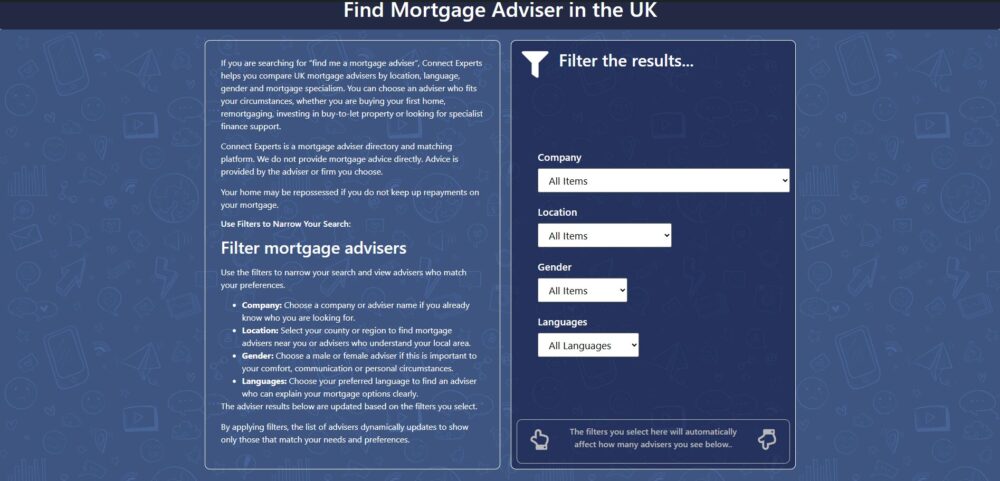
Some buyers want to compare advisers before choosing who to contact. You can search for first-time buyer mortgage advisers through Connect Experts.
Connect Experts is part of the Connect Group. It is a mortgage adviser directory and matching platform. Mortgage advice is provided by the adviser or firm selected by the customer.
Homeownership Needs Clarity Before Commitment
The challenges of homeownership for first-time buyers are real. However, they are not always a reason to stop.
They are a reason to prepare.
A first home should be chosen with both ambition and caution. The ambition helps you move forward. The caution helps you stay secure once the keys are in your hand.
With the right planning, a first-time buyer can move from uncertainty to informed action.
FAQ 1: What is the biggest challenge for first-time buyers?
The biggest challenge for many first-time buyers is affordability. Lenders assess income, debts, spending, deposit size, credit history and future commitments before approving a mortgage.
FAQ 2: Can first-time buyers buy with a 5% deposit?
Some first-time buyers may be able to buy with a 5% deposit, subject to lender criteria, affordability checks and property type. A larger deposit may improve lender choice.
FAQ 3: What costs do first-time buyers need to budget for?
First-time buyers should budget for the deposit, legal fees, searches, surveys, valuation fees, mortgage fees, Stamp Duty where payable, insurance, moving costs and repairs.
FAQ 4: Why can mortgage affordability differ between lenders?
Mortgage affordability can differ because lenders use different calculations. They may treat income, debts, bonuses, childcare costs, self-employed income and credit history differently.
FAQ 5: Should first-time buyers speak to a mortgage adviser?
A mortgage adviser can help first-time buyers understand lender criteria, affordability, deposit options and product choices before submitting a mortgage application.