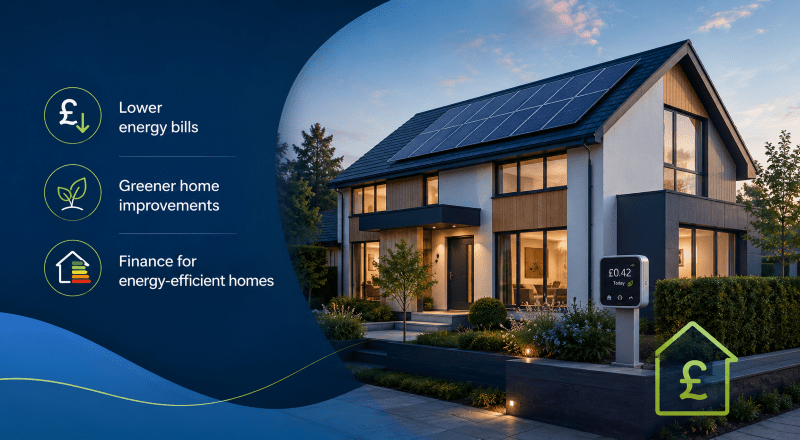
Green mortgages & energy-efficient home finance are designed for homes that already perform well or for homeowners planning improvements that reduce energy use.
In many cases, lenders review the property’s Energy Performance Certificate (EPC). A higher EPC rating may help some borrowers access green mortgage products, cashback incentives or reduced rates. This depends on the lender, the property, the loan-to-value ratio, affordability, and full mortgage criteria.
A green mortgage is not just about the colour of a product label. It is about whether the property is efficient, has suitable security and is affordable to run.
What Is a Green Mortgage?
A green mortgage is a mortgage product that rewards energy efficiency. It may be available when a property has a strong EPC rating, or when the borrower intends to make approved energy-saving improvements.
Green mortgage incentives can include:
- Lower interest rates on eligible products
- Cashback on completion
- Additional borrowing for energy improvements
- Product options linked to EPC ratings
- Remortgage choices for homeowners improving energy efficiency
Green mortgages may be used by homebuyers, existing homeowners and, in some cases, landlords. The product must still pass normal lender checks. This means income, credit history, deposit, property type, loan size and affordability remain important.
If you are buying a home to live in, this may sit alongside your wider Residential Mortgage options.
Why Energy Efficiency Matters in Mortgage Lending
A home is more than a place to live. It is also a long-term financial commitment.
Energy efficiency matters because it can affect the cost of running a home. Poor insulation, older heating systems and inefficient windows can increase monthly bills. Better-performing homes may be cheaper to heat, easier to manage and more attractive to future buyers.
This is where the philosophy of green finance becomes practical.
A mortgage decision is not only about today’s rate. It is also about the home’s resilience tomorrow. Lenders may view energy-efficient homes as better prepared for future standards, running costs and buyer expectations.
How EPC Ratings Affect Green Mortgages
An Energy Performance Certificate gives a property an energy rating from A to G. A is the most efficient rating. G is the least efficient.
Many green mortgage products are linked to EPC ratings. Some lenders may ask for an EPC rating of A or B. Others may accept different criteria, depending on the product and the improvement plan.
An EPC can also show recommended improvements, such as insulation, heating upgrades or renewable energy measures. These recommendations can help homeowners understand which changes may improve the property’s energy performance.
EPCs are normally valid for 10 years. However, if improvements have been made since the last certificate, a new EPC may give a more accurate picture of the property.
How Do You Qualify for a Green Mortgage?
Green mortgage eligibility varies by lender, but there are usually two main routes.
1. Buying or remortgaging an energy-efficient home
You may qualify if the property already has a strong EPC rating. This is often A or B, although lender rules differ.
The lender may ask for:
- A valid EPC
- Property details
- Deposit or equity information
- Income and affordability evidence
- Credit history
- Standard mortgage documents
The green element does not replace normal underwriting. It sits alongside it.
2. Borrowing for energy-efficient home improvements
Some borrowers may want to improve the property first. In that case, the mortgage or additional borrowing may be used to fund eligible work.
This could include:
- Loft, roof or wall insulation
- Double or triple glazing
- Solar panels
- Heat pumps
- Modern heating systems
- Energy-efficient doors
- Smart heating controls
- Other lender-approved improvements
If you already own the property, a Remortgage may be one route to raise funds for energy improvements.
Green Mortgages and Home Improvement Finance
Not every homeowner wants to move. Many want to make their current home cheaper to run, warmer and more efficient.
Energy-efficient home finance can support this goal, but the right route depends on the current mortgage, the property value and the borrower’s circumstances.
Possible routes include:
- Remortgaging to raise additional funds
- Taking a further advance from the current lender
- Using a second charge mortgage
- Using savings alongside mortgage borrowing
- Reviewing specialist green mortgage products
A Second Charge Mortgage may be considered if you want to raise funds without replacing your existing mortgage. This may be useful if your current deal has early repayment charges or a competitive rate.
The right choice depends on cost, risk, fees, repayment terms and affordability.
Are Green Mortgages Always Cheaper?
No. A green mortgage is not automatically the cheapest mortgage.
Some green products may offer a lower rate or cashback. However, another standard mortgage may still work out cheaper overall once fees, incentives, product terms and long-term costs are compared.
Borrowers should look at:
- Interest rate
- Arrangement fees
- Cashback amount
- Early repayment charges
- Loan-to-value
- Monthly payments
- Total cost over the product period
- Cost of any required home improvements
- Whether the EPC improvement is realistic
A green mortgage should still be judged as a mortgage. The product must fit the borrower, not just the property.
Green Mortgage vs Standard Mortgage
A standard mortgage focuses on the borrower, property value, affordability and lender criteria.
A green mortgage does the same, but adds an energy-efficiency condition or incentive.
| Area | Standard Mortgage | Green Mortgage |
|---|---|---|
| Main focus | Borrower and property suitability | Borrower, property suitability and energy efficiency |
| EPC needed | Often required for property sale or letting | Often central to product eligibility |
| Incentives | Product dependent | May include lower rates or cashback |
| Home improvements | May be funded through borrowing | May be linked to approved energy upgrades |
| Best for | General buying or remortgaging | Efficient homes or planned energy improvements |
The green label should not distract from the core question: does the mortgage work for your circumstances?
Green Mortgages for Landlords and Property Investors
Energy efficiency also matters for landlords. Tenants may care about heating costs, comfort and the condition of the property.
For landlords, EPC ratings can influence long-term property planning. A buy-to-let property with stronger energy performance may be easier to position in a cost-conscious rental market.
However, buy-to-let lending has its own criteria. Rental income, stress testing, property type, landlord experience and ownership structure may all affect the application.
If the property is a rental investment, green considerations should be reviewed alongside wider Buy-to-Let Mortgages planning.
Solar Panels, Heating Systems and Mortgage Checks
Some green improvements are straightforward. Others need more care.
Solar panels, for example, can affect mortgage checks depending on whether the panels are owned, leased or financed. Lenders may want to understand the contract, installation, roof impact, warranties and future obligations.
Before applying for a mortgage on a property with solar panels, it helps to check:
- Who owns the panels
- Whether there is a lease agreement
- Whether the roof has been altered
- Whether warranties are available
- Whether buildings insurance covers the installation
- Whether the EPC reflects the improvement
You can read more in our guide to Solar Panels and Mortgages.
When a Green Mortgage May Not Be the Best Route
A green mortgage may not be suitable in every case.
It may be less suitable if:
- The standard mortgage rate is cheaper overall
- The improvement costs outweigh the incentive
- The property cannot realistically reach the required EPC rating
- The borrower needs flexibility not offered by the green product
- The lender’s criteria do not fit the borrower’s income or credit profile
- The cashback is small compared with the fees
- The mortgage term does not fit the borrower’s plans
This is why advice matters. The green option should be compared against the whole market, not viewed in isolation.
Practical Steps Before Applying
Before applying for a green mortgage or energy-efficient home finance, prepare the basics.
- Check the property’s EPC rating.
- Review the EPC recommendations.
- Estimate the cost of planned improvements.
- Check whether the work may need consent or planning approval.
- Compare green mortgage deals with standard mortgage options.
- Review affordability before committing to new borrowing.
- Keep records of quotes, warranties and installation documents.
- Use the Mortgage Calculators to estimate possible payments.
A better EPC rating can support long-term home planning. It may also help with future saleability, running costs and mortgage choice. For more detail, read our guide on How a Better EPC Rating Saves You Money on Your Home.
Green Mortgages and Earth Day
This article was written around Earth Day, but the subject is not limited to one day.
Earth Day asks people to think about the future. A green mortgage asks a similar question in financial form: what kind of property are you funding, and how will it perform over time?
For many homeowners, the answer will not be dramatic. It may be insulation, better windows, a more efficient heating system or a mortgage product that recognises a strong EPC rating.
Small improvements can become meaningful when they reduce waste, lower running costs and make a home more resilient.
Speak to a Mortgage Adviser
Green mortgages and energy-efficient home finance can be useful, but they need careful comparison.
The right route depends on your property, EPC rating, income, deposit, equity, credit profile and improvement plans.
Connect Mortgages is a credit broker, not a lender. A mortgage adviser can help you compare suitable options and understand whether a green mortgage, remortgage, further advance, or second-charge mortgage may fit your needs.
You can contact Connect Mortgages to discuss your options.
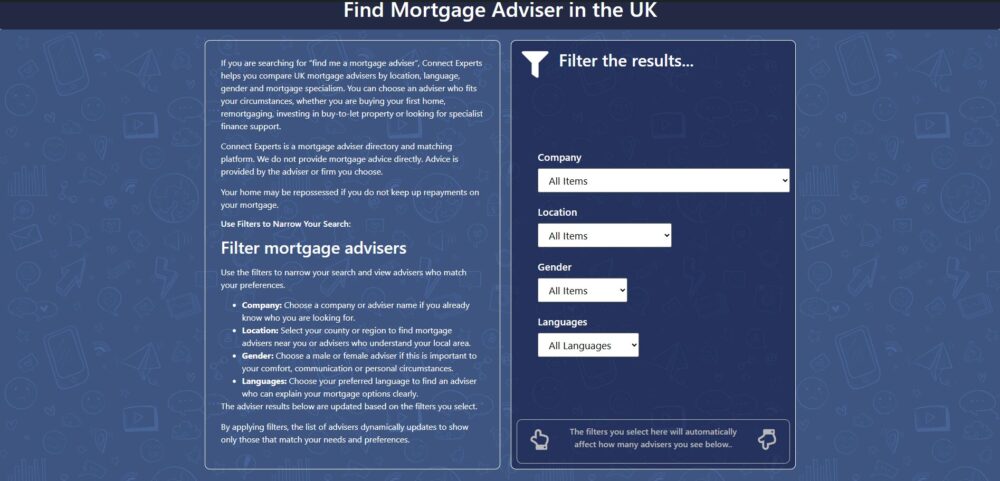
If you prefer to compare advisers by location, language or area of expertise, you can also use Connect Experts to find mortgage advisers.
FAQs: Green Mortgages and Energy-Efficient Home Finance
What is a green mortgage?
A green mortgage is a mortgage product linked to energy efficiency. It may reward borrowers who buy, own or improve an energy-efficient home.
Do I need an EPC rating of A or B for a green mortgage?
Many lenders use EPC A or B as a common benchmark. However, criteria vary between lenders and products.
Can I remortgage to improve my EPC rating?
Yes, some homeowners remortgage to raise funds for energy-efficient improvements. This depends on affordability, equity, lender criteria and the cost of the work.
What improvements may support a green mortgage?
Common improvements include insulation, double glazing, solar panels, heat pumps, efficient heating systems and smart heating controls. The lender will decide which improvements qualify.
Is a green mortgage always cheaper?
No. Some green mortgages offer lower rates or cashback, but a standard mortgage may still be cheaper overall. Fees, incentives and total cost should be compared.
Can landlords use green mortgage products?
Some green mortgage products may be available for buy-to-let properties. Landlords should also consider rental stress testing, EPC requirements, property type and ownership structure.
Does an EPC last forever?
No. EPCs are normally valid for 10 years. A new EPC may be useful if energy improvements have been made since the last certificate.
Should I get advice before choosing a green mortgage?
Yes. Green mortgages can be useful, but they should be compared with standard mortgage products. The best option depends on your full circumstances.