Second Charge Mortgages with Bad Credit | For many homeowners, financial pressure does not come from poor planning but from unexpected change. A missed payment during illness, a business slowdown, or a short period of reduced income can leave a mark on your credit record. Over time, that mark can limit access to mainstream lending, even when your situation has stabilised.
In these circumstances, homeowners often find that remortgaging is no longer available. This is where a second charge mortgage with bad credit may be considered. Rather than replacing your existing mortgage, a second-charge mortgage lets you borrow against the equity in your property while keeping your current deal in place.
This type of lending is not suitable for everyone and is assessed on an individual basis. It is designed for borrowers who need additional funds but are restricted by credit history or early-repayment charges on their existing mortgage.
Second charge mortgages are secured loans. Your home may be repossessed if you do not keep up with repayments.
What is a Second Charge Mortgage?
A second charge mortgage is an additional loan secured against the equity in your home. It sits behind your existing mortgage and allows you to borrow more without changing your current mortgage deal. This option is often considered for home improvements, debt consolidation, or other significant expenses.
Because the loan is secured, it creates a second legal charge on your property. If the property is sold, the first mortgage lender is repaid before the second charge lender. If repayments are not maintained on either loan, your home may be at risk of repossession.
How a Second Charge Mortgage Works
A second charge mortgage is secured against the available equity in your property. Equity is the difference between your home’s value and the amount you still owe on your mortgage.
This type of borrowing is separate from your first mortgage. It is not the same as a further advance from your existing lender and does not require you to remortgage. The second charge lender holds a legal claim on the property once the first mortgage has been fully repaid.
Common Uses for a Second Charge Mortgage
Homeowners may use a second charge mortgage for several purposes, including:
- Home improvements such as extensions or kitchen upgrades
- Debt consolidation, including credit cards and personal loans
- Major planned expenses such as school fees or weddings
- Business-related funding, subject to lender criteria
All applications are subject to affordability checks and lender criteria. Your home may be repossessed if you do not keep up repayments on your mortgage or any loan secured on it.
Who Is Eligible for Second Charge Mortgages with Bad Credit
Homeowners with bad credit may still be eligible for a second charge mortgage. Approval depends on several factors rather than credit score alone.
Lenders will usually assess:
- The level of adverse credit or existing debt
- Income and regular expenditure to confirm affordability
- Overall loan-to-value based on available property equity
In some cases, borrowing up to 90 per cent of the property value may be possible. This is always subject to individual lender criteria and internal underwriting rules.
Reasons for a Second Charge Mortgage with Bad Credit
A second charge mortgage can be used for various purposes. Many homeowners choose this option when other forms of borrowing are limited due to credit history.
Home Improvements
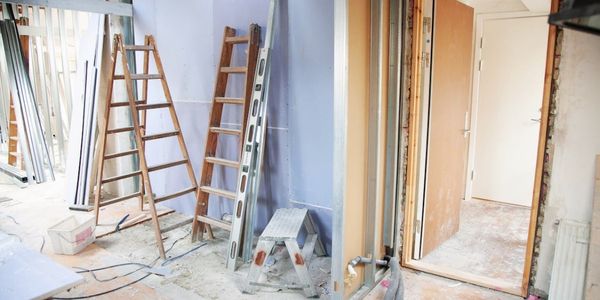
Releasing equity from your home can fund improvements such as extensions or loft conversions. These changes may enhance your living space and increase your property’s value.
If you want to understand how secured borrowing works in more detail, our Second Charge Mortgages guide explains the structure and risks involved.
Debt Consolidation
Debt consolidation allows multiple unsecured debts to be combined into a single monthly repayment using a second charge mortgage. This can make budgeting easier and may reduce overall financial pressure.
In some cases, the interest rate may be lower than that on existing unsecured debt. This depends on your circumstances and lender assessment. It is important to compare options carefully before proceeding. Other potential uses may include property investment or large planned expenses. Any borrowing must remain affordable and suitable for your financial situation.
Advantages of a Second Charge Mortgage
Second charge mortgages may offer benefits when remortgaging is not suitable.
These can include:
- Keeping your existing mortgage and interest rate in place
- Avoiding early repayment charges on your current mortgage
- Accessing additional funds without changing mortgage terms
- Greater flexibility for self-employed borrowers compared to unsecured loans
If you are unsure whether to remortgage or take a second charge loan, reviewing your Remortgage options may help clarify the difference.
Disadvantages of a Second Charge Mortgage
Second charge mortgages are not suitable for everyone and carry important risks.
Potential drawbacks include:
- Your home is at risk if repayments are not maintained
- Interest rates may be higher than first charge mortgages
- All secured borrowing must be repaid if you sell your home
- Monthly commitments increase overall financial pressure
It is important to consider these risks carefully before applying.
Do I Qualify for a Second Charge Mortgage with Bad Credit
Some lenders specialise in lending to borrowers with complex credit histories. Others may decline applications where credit risk or affordability concerns are too high.
Lenders will look beyond property equity alone. They must be satisfied that repayments are affordable and sustainable.
Checking your credit report before speaking to a broker can help identify issues that may affect your application. If credit challenges are significant, reviewing an Adverse Credit Mortgage solution may also be useful.
How to Get a Second Charge Mortgage with Bad Credit
Second charge mortgages should be arranged through a broker regulated by the Financial Conduct Authority. Many products are offered by specialist lenders rather than high street banks.
- Assessing Home Equity and Borrowing Needs: Your property value and existing mortgage balance determine available equity. The loan amount must fit within the lender’s loan-to-value limits and minimum borrowing thresholds.
- Affordability and Credit Assessment: Lenders will assess income, living costs, and existing commitments to confirm affordability. This ensures you can manage repayments alongside other financial obligations.
Your credit history helps lenders understand past repayment behaviour. Poor credit may affect rates and terms but does not always result in a decline.
If secured borrowing is not suitable, alternative options such as a Bridging Loan or unsecured borrowing may be explored depending on your needs.
Making an Informed Decision
Second charge mortgages can provide access to funds when other options are limited. They are not suitable for every borrower.
It is important to review all advantages, disadvantages, and alternatives before proceeding. Speaking to a qualified adviser can help ensure the solution fits your circumstances.
Your home may be repossessed if you do not keep up repayments on your mortgage or any loan secured on it.
Thank you for reading our “Second Charge Mortgages with Bad Credit | Connect Mortgages” publication. Stay “Connect“-ed for more updates soon!