Why We Champion World Environment Day: World Environment Day reminds us that long-term choices matter. For homeowners, landlords and buyers, this can include energy efficiency, EPC ratings, green mortgages and practical improvements that reduce energy use. At Connect Mortgages, we see environmental awareness as part of responsible homeownership, not a passing trend.
World Environment Day took place on 5 June 2023. Its theme focused on solutions to plastic pollution, under the wider message that everyday choices can shape environmental outcomes.
That message reaches beyond beaches, packaging, and waste. It also reaches the homes we live in, the energy we use and the financial decisions we make around property.
A mortgage is often seen as a product. In practice, it is also a long-term commitment attached to a physical building. That building has running costs. It has an energy rating. It may need improvement over time. It may also form part of a household’s wider environmental footprint.
That is why Connect Mortgages champions World Environment Day.
Not because a mortgage alone can solve environmental issues. It cannot. But good advice should help people think clearly about the choices connected to their home, their finances and their future.
Why World Environment Day Matters to Homeowners
World Environment Day encourages people, businesses and governments to think about practical action. For homeowners, this can begin with simple questions.
- How energy-efficient is my home?
- Could improvements to insulation, glazing, or heating reduce waste?
- Would solar panels be suitable for the property?
- Does my EPC rating affect mortgage options?
- Could a green mortgage be relevant now or in the future?
These are not abstract questions. They affect bills, borrowing, property value, comfort and long-term planning.
A home with poor energy efficiency may cost more to run. A property with stronger energy performance may be more attractive to some buyers, tenants and lenders. The answer will depend on the property, the lender’s criteria, and the borrower’s circumstances.
This is where environmental awareness becomes practical.
Green Mortgages and Responsible Home Finance
Green mortgages are designed to support energy-efficient homes or improvements that may improve a property’s energy performance.
Some lenders may offer incentives for properties with stronger EPC ratings. Others may provide options linked to energy-efficient improvements. These may include solar panels, insulation, heat pumps, double glazing or other approved upgrades.
Green mortgage availability varies by lender. Criteria can change. Some products may apply only to purchases. Others may support remortgage customers or further borrowing for home improvements.
For a deeper guide, read our page on green mortgages and energy-efficient home finance.
The important point is not that every borrower needs a green mortgage. The important point is that borrowers should understand whether one could be relevant.
That is the role of advice.
EPC Ratings and the Technical Side of Energy Efficiency
An Energy Performance Certificate, or EPC, shows how energy efficient a property is. It gives a rating from A to G, with A being the most efficient and G being the least efficient.
An EPC may also show typical energy costs and suggested improvements. This can help homeowners understand where a property may be losing energy and what changes could improve performance.
You can check official EPC information through the GOV.UK energy performance certificate guidance.
From a mortgage perspective, EPCs can matter because some lenders use energy ratings within green mortgage criteria. A higher rating may help a borrower meet certain product requirements, although it does not guarantee acceptance.
Affordability, credit profile, income, deposit, property type and lender criteria still matter.
This is why green mortgages should be discussed carefully. They are not only about the environment. They are also about product fit, cost, eligibility and long-term value.
Sustainable Home Improvements and Remortgaging
Some homeowners look at energy improvements when they remortgage. This may be because their fixed rate is ending, because they want to raise funds, or because they want to reduce long-term running costs.
Possible improvements may include:
- Loft or wall insulation
- Double or triple glazing
- Solar panels
- Energy-efficient heating systems
- Smart heating controls
- Improved ventilation
- More efficient appliances
These changes may not suit every property. Costs, planning rules, listed-building limits, payback periods, and lender requirements should all be considered.
If you are reviewing your existing mortgage, our remortgage guide explains how the process works and what borrowers may need to consider.
A remortgage should never be viewed solely in terms of the monthly payment. It should also be seen through the wider shape of the borrower’s life. The home, the loan, the energy use and the future plan all sit together.
Solar Panels, Energy Bills and Property Decisions
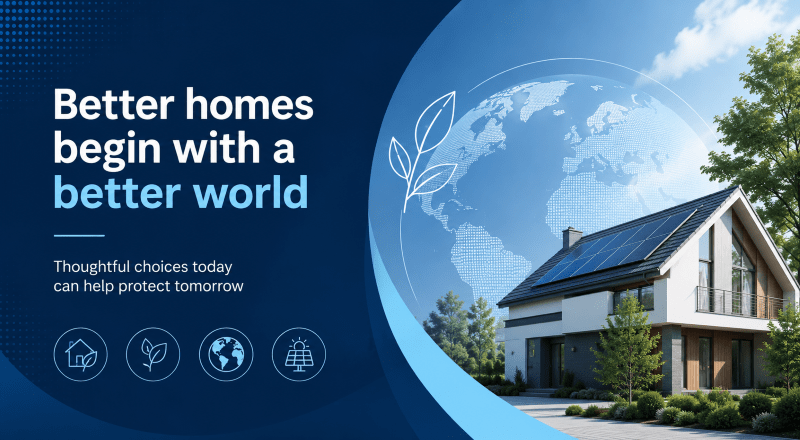
Solar panels can support the aims of World Environment Day by helping some homes generate renewable electricity.
They may reduce reliance on grid energy and help lower bills over time. However, suitability depends on the roof, location, installation cost, usage patterns and product quality.
Mortgage considerations can also apply. Lenders may want to understand ownership, lease arrangements, installation standards and whether any agreement affects the property title.
This is why borrowers should take advice before making assumptions. A green improvement can be positive, but it should also be technically sound and financially appropriate.
The same principle applies to many environmental choices. Good intentions need good information.
Where Mortgage Advice Fits In
World Environment Day asks us to think beyond the immediate moment.
Mortgage advice does something similar. It looks beyond one rate, one payment and one transaction. It considers affordability, suitability, risk and the borrower’s longer-term position.
At Connect Mortgages, we support this kind of thinking. Environmental awareness should not be treated as a slogan. It should be connected to real choices that homeowners, buyers and landlords may face.
That may include buying an energy-efficient home. It may include improving an existing property. It may include checking whether a green mortgage is available. It may also mean deciding that another mortgage option is more suitable.
The right answer depends on the person, the property and the lender.
Responsible Homeownership Starts With Better Questions
World Environment Day is not only about what we protect. It is also about what we notice.
A homeowner may notice rising energy costs. A buyer may notice an EPC rating. A landlord may notice changing tenant expectations. A family may notice that a home needs improvement before it can truly work for the years ahead.
These small observations can lead to better decisions.
If you are buying, moving or reviewing your mortgage, our residential mortgage guide can help explain the main routes available.
You can also use our quick mortgage calculator to get an initial idea of potential monthly repayments. This is only a guide and does not replace advice.
Speaking to a Mortgage Adviser
Green mortgages and energy-efficient home finance can be useful, but they are not right for every borrower.
A mortgage adviser can help you review your situation, explain lenders’ criteria, and compare available options. This matters because the most environmentally attractive product is not always the most suitable mortgage overall.
If you would like to discuss your options, you can find a mortgage adviser through Connect Experts.